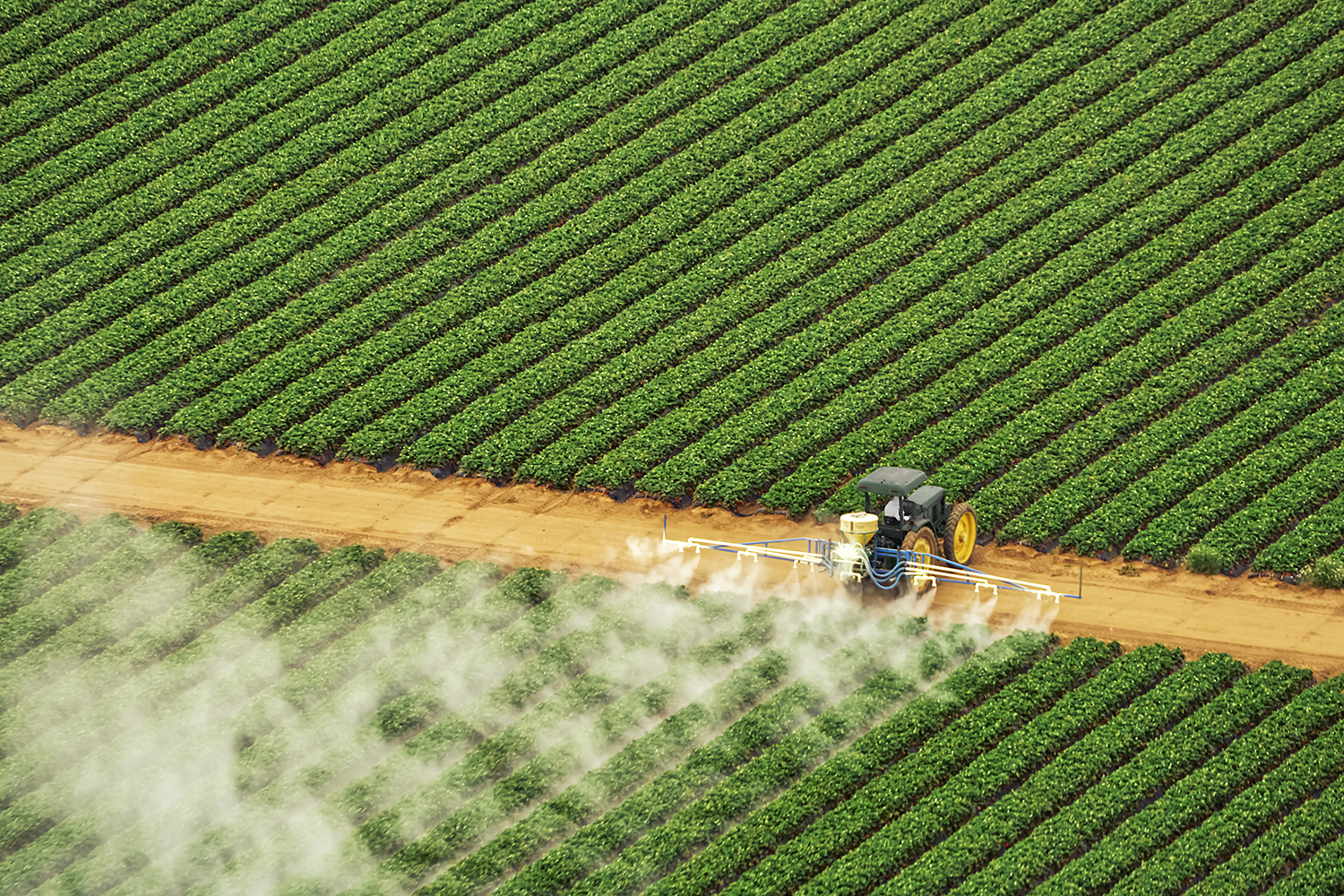
Farmers across the United States are changing planting strategies as ongoing fertilizer prices continue to pressure the agriculture industry. Rising input costs, combined with uncertain global supply conditions, are forcing many producers to reconsider which crops make the most financial sense this growing season.
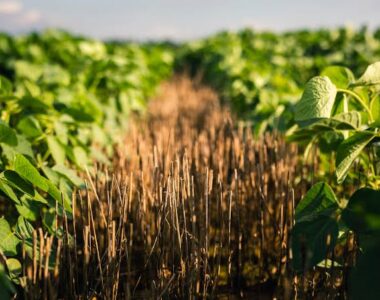
Corn has become one of the biggest concerns because it requires large amounts of nitrogen fertilizer to produce strong yields. As fertilizer prices remain elevated, some farmers are reducing corn acreage and shifting toward soybeans, which generally require fewer fertilizer inputs and lower production costs.
Agriculture analysts say these planting adjustments are becoming more common across major growing regions. Farmers are making difficult decisions based on profit margins, input availability, and long-term risk.
Why Farmers Are Changing Crops
Nitrogen fertilizer remains one of the largest expenses for many grain farmers. Recent supply disruptions tied to global conflict and shipping issues have kept fertilizer markets unstable. Farmers entering planting season must now balance rising costs against uncertain commodity prices.
Because soybeans typically require less nitrogen than corn, many producers see them as a safer option under current conditions. This shift highlights how fertilizer prices can directly influence what farmers plant and how much food is eventually produced.
Some growers are also reducing overall acreage or limiting fertilizer application rates to control expenses. While these decisions may lower costs in the short term, they can also impact crop yields later in the season.
Farmers Continue Facing Financial Pressure
The rise in fertilizer prices comes at a time when many farmers are already dealing with tight margins. Fuel costs, equipment expenses, labor shortages, and weather risks continue adding pressure across the industry.
At the same time, some crop prices have weakened compared to previous years, creating additional uncertainty for producers trying to remain profitable. Agriculture economists say many farmers are entering this season focused more on risk management than expansion.
These challenges affect farms of all sizes, but smaller operations often feel the pressure most heavily because they have less flexibility when costs rise quickly.
Why This Matters Beyond the Farm
Changes in planting decisions do not only affect farmers. Crop shifts and reduced acreage can influence feed supply, grain markets, and eventually grocery prices. What farmers plant today shapes food availability months from now.
When fertilizer prices force farmers to reduce production or change crops, the effects move throughout the entire food system. Consumers may see higher prices, tighter supply, or changing availability for certain products later in the year.
This is one reason why staying informed about agriculture matters. Understanding the challenges farmers face helps explain why food prices move and why supporting local agriculture is important.
Supporting Farmers Locally
One of the best ways consumers can support farmers during difficult seasons is by shopping local whenever possible. Buying directly from farms helps producers keep more of the value from their products while strengthening local food systems.
As farms continue navigating high input costs and uncertain markets, local support can make a meaningful difference for agricultural communities.
Farm Trader was built to make it easier for people to discover and shop from local farms, because supporting agriculture should be simple and accessible.
Farm Trader is committed to bringing you unbiased news based only on the facts. It is our job to keep you informed and only report what is really happening.
Source: AgWeb reporting on fertilizer prices, crop switching, and planting decisions across U.S. agriculture.