Ted Turner left behind more than a media empire when he died at age 87. He also left behind one of the largest private land conservation and ranching operations in the United States. Turner spent decades building a network of ranches and protected land because he believed preserving open space and wildlife mattered for the future of the country.
Over time, Turner acquired more than 2 million acres of land across several states. While many people knew him as the founder of CNN, Turner became equally known in agriculture and conservation circles for his work restoring native grasslands, expanding bison populations, and protecting large areas of ranchland from development.
Why Ted Turner Invested in Ranchland
Turner believed large sections of American land needed long-term protection. He often spoke about the importance of wildlife habitat, healthy ecosystems, and preserving open agricultural land instead of allowing continuous development.
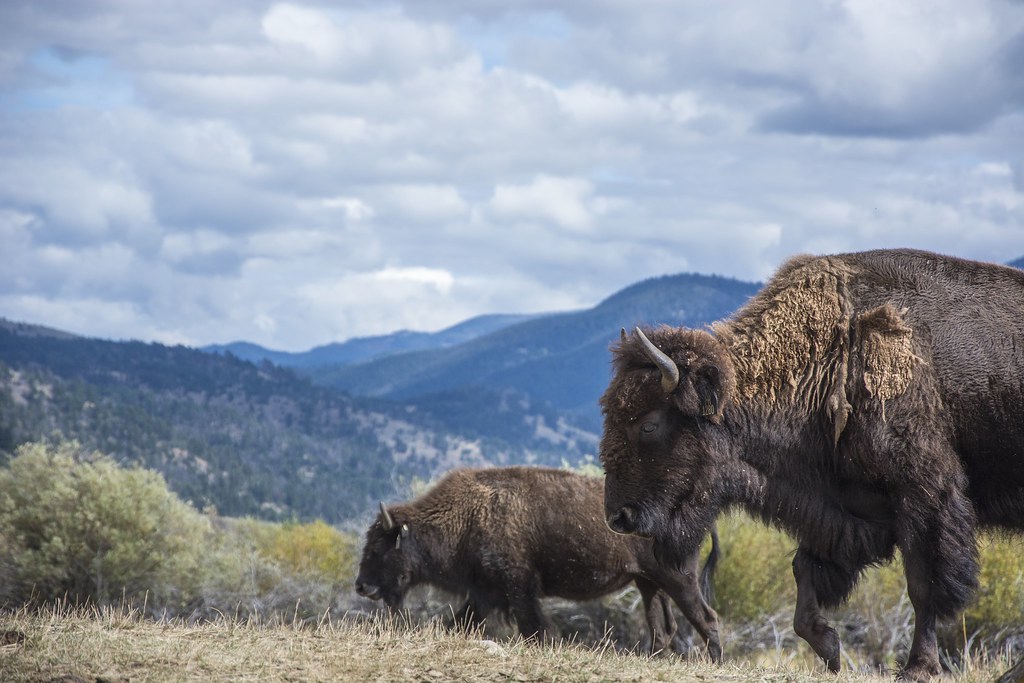
His ranches operated as working agricultural properties, but Turner also used them to restore native species and support conservation projects. He focused heavily on bison restoration because he viewed the animal as an important symbol of the American West and a key part of native grassland ecosystems.
Turner eventually built the largest private bison herd in the world, with roughly 50,000 animals spread across multiple ranches.
Agriculture and Conservation Worked Together
Turner approached ranching with a focus on long-term land stewardship. His operations combined agriculture, wildlife conservation, hunting, tourism, and habitat restoration. Rather than separating agriculture from conservation, Turner believed the two could support each other.
Many of his ranches restored native grasses and wildlife species that had previously declined in those regions. His properties supported species such as elk, bison, black-footed ferrets, wild turkey, and quail.
Turner also helped create stronger demand for bison meat through his restaurant chain, Ted’s Montana Grill. Supporters of the effort said increased demand helped strengthen bison populations and encouraged additional conservation-focused ranching.
Protecting Land From Development
One of Turner’s biggest goals involved protecting agricultural land from future development. Many of his ranches now sit under conservation easements, which legally limit future development and subdivision. These agreements help ensure the land remains open and protected long after ownership changes.
That means millions of acres of ranchland, wildlife habitat, and agricultural property connected to Turner’s conservation work may never be developed as long as conservation easement laws remain in place.
Supporters say this may become one of the most important parts of Turner’s legacy. While cities and suburbs continue expanding across the country, Turner used his resources to permanently protect large stretches of land that might otherwise have been lost.
Why His Work Matters
Turner’s work highlighted the growing importance of agricultural land conservation in the United States. Open farmland and ranchland continue disappearing due to development pressure, especially near growing population centers.
By protecting millions of acres, Turner helped preserve working landscapes, wildlife habitat, and native ecosystems at a scale few private landowners have matched.
His legacy reaches beyond media and business. Through ranching, conservation, and agriculture, Turner showed how private land ownership could shape wildlife recovery and long-term land preservation across the American West.
Farm Trader is committed to bringing you unbiased news based only on the facts. It is our job to keep you informed and only report what is really happening.
Sources:
- Agriculture.com reporting on Ted Turner’s ranchland legacy
- Associated Press coverage of Ted Turner’s conservation work