A growing number of U.S. farms are testing a system that combines solar energy production with agriculture. One project in Tennessee is drawing attention for showing how a solar ranch can support both cattle grazing and renewable energy on the same land.
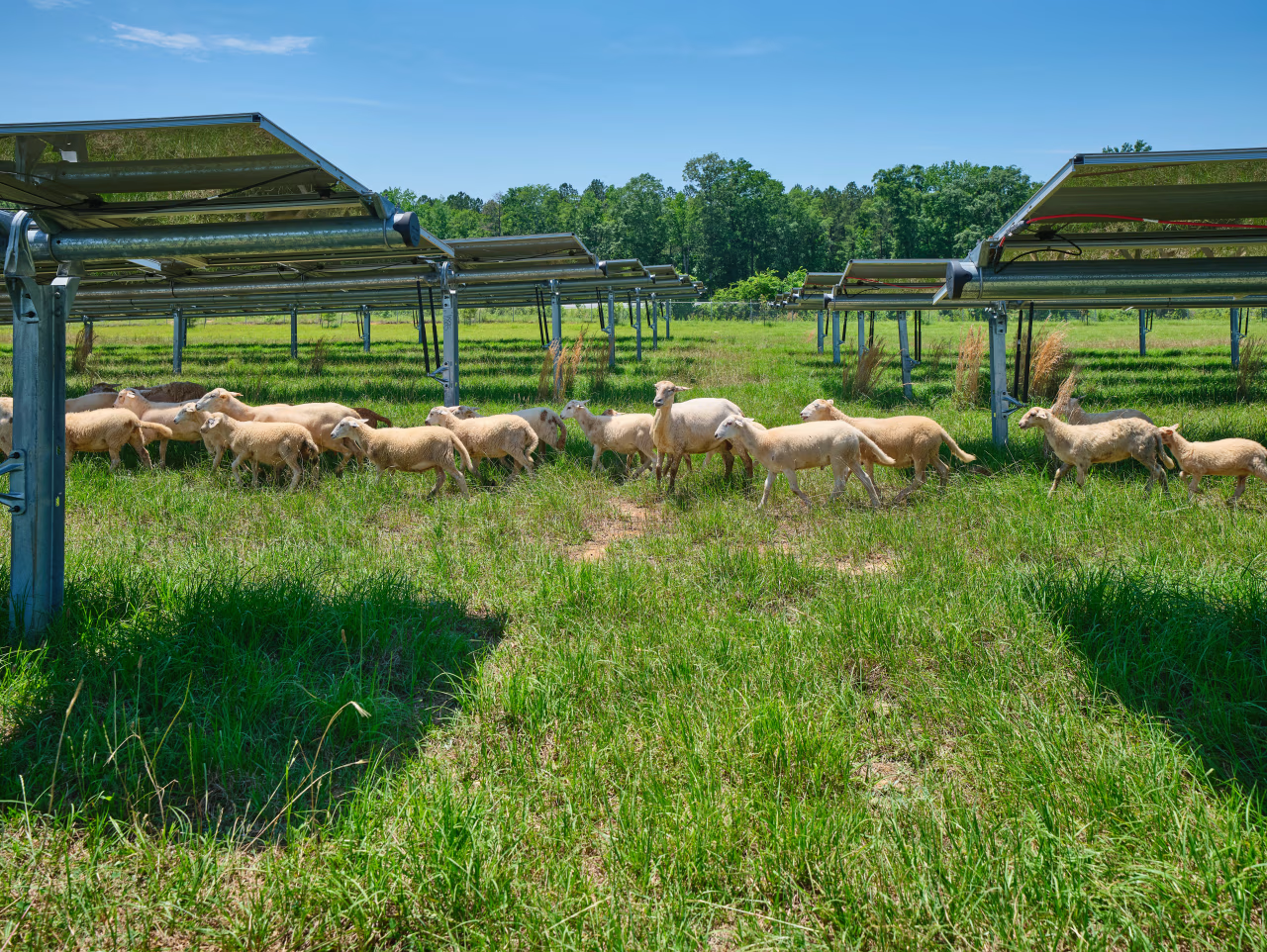
The project places solar panels across open pasture while continuing to allow cattle to graze beneath them. Instead of removing farmland from production, the system uses the same acreage for two purposes. Developers and farmers say this approach can help maintain agricultural use while adding a new source of income.
How the Solar Ranch Works
The Tennessee site installs solar panels high enough off the ground to allow cattle to move freely underneath. The panels provide shade, which can help reduce heat stress on livestock during warmer months. Grass continues to grow between and under the panels, allowing farmers to maintain grazing operations.
Farmers involved in the solar ranch project typically lease land to energy companies. These agreements allow farmers to earn a consistent income from solar development while continuing to use the land for livestock.
Benefits for Farmers and Land Use
The solar ranch model offers an alternative to traditional solar development, which often removes farmland from production. By combining grazing and energy generation, the system helps preserve agricultural use.
Researchers and project leaders say this approach can improve land efficiency. Instead of choosing between farming and energy production, landowners can support both. This model may also reduce pressure to convert farmland into non-agricultural uses.
Growing Interest in Agrivoltaics
Projects like the Tennessee solar ranch fall under a broader category known as agrivoltaics. This approach integrates solar panels with agricultural activities such as grazing or crop production.
Interest in agrivoltaics is increasing as farmers look for ways to manage rising costs and diversify income. Energy companies are also exploring these systems as a way to expand solar development while working with agricultural communities.
Why It Matters
The expansion of the solar ranch model reflects a shift in how farmland can be used. As energy demand grows, farmers are exploring options that allow them to generate additional revenue without giving up production.
This approach may also play a role in supporting long-term farm viability. By adding new income streams, farmers can better manage financial pressure and maintain their operations.
Projects like this continue to develop across the United States. Researchers and industry leaders are watching closely to understand how these systems perform over time and how widely they can be adopted.
Farm Trader is committed to bringing you unbiased news based only on the facts. It is our job to keep you informed and only report what is really happening.
Source: Associated Press reporting on agrivoltaic solar ranch projects in Tennessee and U.S. agricultural land use.