Across the country, more farmers are planting flowers, and they are doing it for much more than appearance. While colorful blooms certainly make fields and farm edges more attractive, the real goal is to support pollinators, improve biodiversity, and strengthen the overall health of the farm.
As research continues to highlight the importance of bees, butterflies, and other beneficial insects, pollinator habitat has become an increasingly valuable tool for farmers looking to improve both productivity and environmental stewardship. What may look like a simple patch of wildflowers often plays a much larger role in modern agriculture.
Why Pollinators Matter
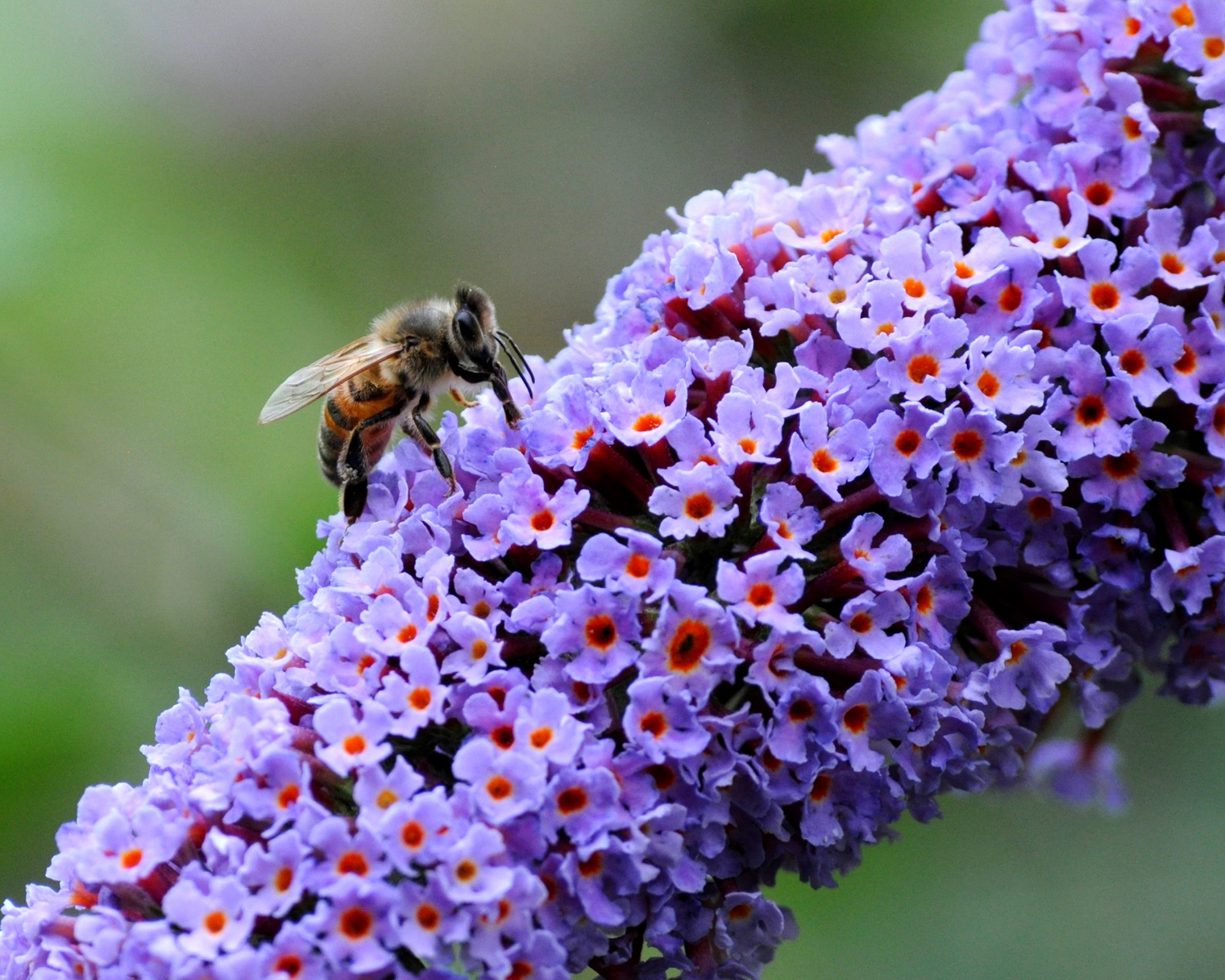
Pollinators help many crops reproduce by moving pollen between flowers. This process supports fruit, vegetable, nut, and seed production. Without pollinators, many of the foods people enjoy every day would become much more difficult to produce. Bees often receive the most attention, but they are not alone. Butterflies, moths, beetles, flies, and even some birds contribute to pollination. By creating more pollinator habitat, farmers help support these important species while improving the health of surrounding ecosystems.
Flowers Can Benefit Farms
Many farms are planting strips of native flowers along field edges, pastures, waterways, and unused areas. These flower plantings provide food and shelter for pollinators throughout the growing season. They also attract beneficial insects that help control crop pests naturally. As a result, pollinator habitat can support both crop production and conservation goals. Research has shown that healthy pollinator populations can improve pollination rates for many crops, leading to better yields and improved fruit quality in certain agricultural systems.
Biodiversity Creates Stronger Farms
One reason farmers are investing in pollinator habitat is that biodiversity often creates more resilient ecosystems. A farm that supports a wide range of insects, plants, birds, and wildlife may be better equipped to handle environmental challenges. Diverse ecosystems can help improve soil health, reduce erosion, support beneficial insects, and create a healthier balance between crops and nature. Many farmers see pollinator plantings as one piece of a larger effort to build long-term sustainability.
Programs Are Helping Farmers Get Started
Several conservation programs are encouraging farms to establish more pollinator habitat.
The USDA Natural Resources Conservation Service (NRCS) offers technical assistance and conservation programs that help producers create pollinator-friendly landscapes. These programs often focus on native flowers, habitat restoration, and practices that support wildlife while maintaining agricultural productivity.
Organizations such as the Xerces Society also provide educational resources and guidance for farmers interested in supporting pollinators. These efforts have helped expand pollinator plantings across many regions of the country.
Small Actions Can Make a Big Difference
One of the encouraging aspects of pollinator conservation is that even small plantings can have a positive impact. A field border filled with native flowers, a pollinator strip along a fence line, or a section of restored habitat can provide valuable resources for insects throughout the growing season. Many farmers report seeing increased pollinator activity within a short period of establishing these areas.
Why It Matters
The growing interest in pollinator habitat reflects a broader understanding that productive agriculture and healthy ecosystems can work together.
Pollinators support food production, biodiversity supports ecosystem health, and healthy ecosystems benefit farms. By planting more flowers, farmers are helping create landscapes that support both agriculture and conservation. In the process, they are investing in the long-term health of their farms and the future of food production. Sometimes the simplest solutions are also the most colorful.
Farm Trader is committed to bringing you unbiased news based only on the facts. It is our job to keep you informed and only report what is really happening.
Sources:
- USDA Pollinator Resources
- USDA Natural Resources Conservation Service (NRCS) Pollinator Habitat Programs
- Xerces Society for Invertebrate Conservation