Walk through a farmers market today and you may notice something surprising. Alongside familiar tomatoes, sweet corn, and green beans, more farms are growing crops that nearly disappeared from American agriculture.
From heirloom corn and heritage wheat to specialty beans and forgotten vegetables, these heritage crops are making a comeback. Farmers are rediscovering varieties that offer unique flavors, cultural history, and greater diversity in the food system.
While modern agriculture often focuses on a small number of high-producing crops, many growers are finding value in bringing older varieties back to the field.
What Are Heritage Crops?
Heritage crops are traditional plant varieties that farmers grew for generations before large-scale commercial agriculture favored more uniform and higher-yielding options.
Many of these crops survived thanks to seed savers, gardeners, and small farms that preserved seeds and passed them down over time.
Today, organizations such as Seed Savers Exchange and Slow Food USA’s Ark of Taste work to protect these varieties and encourage farmers to grow them again.
Heirloom Corn Is Returning
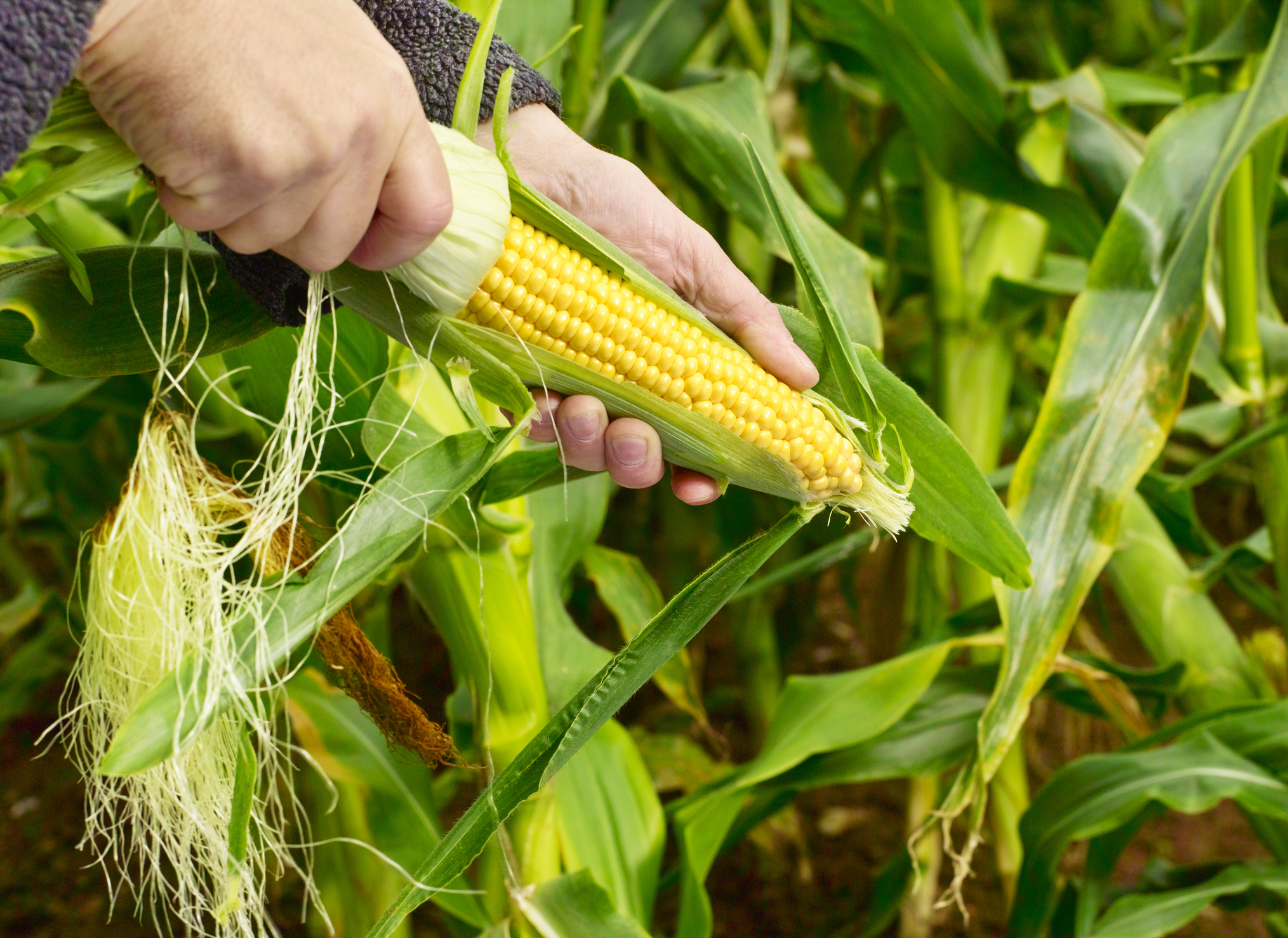
Corn is one of the best examples of the heritage crop movement. Across the country, farmers are planting colorful heirloom varieties that come in shades of blue, red, purple, and white. Some varieties were originally grown by Indigenous communities and have been cultivated for centuries.
Unlike many modern hybrids, these heirloom corns often offer unique flavors and are used for specialty products such as cornmeal, tortillas, grits, and baking flour.
Heritage Wheat Is Finding New Markets
Many small farms are also experimenting with older wheat varieties. Some heritage wheat strains offer distinct flavors that appeal to artisan bakers, local mills, and specialty food producers. Others may perform better under certain growing conditions or require fewer inputs than modern varieties.
As consumers become more interested in local food and traditional foods, demand for these specialty grains continues growing.
Specialty Beans and Forgotten Vegetables
Beans are another category seeing renewed interest. Farmers are growing colorful and unique bean varieties that were once common in home gardens but rarely appeared on grocery store shelves. These beans often provide distinctive flavors, textures, and stories that help farms stand out.
The same trend is happening with vegetables. Crops such as salsify, ground cherries, purple carrots, and unusual squash varieties are appearing at more farmers markets and farm stands.
For consumers, these crops offer an opportunity to try something new while supporting agricultural diversity.
Why Farmers Are Growing Them
The return of heritage crops is not just about nostalgia. Many farmers see practical benefits. Specialty crops can help farms differentiate themselves from larger operations and attract customers looking for unique products.
Direct-to-consumer sales have also created opportunities for growers to tell the story behind these crops. Customers often enjoy learning about the history, flavor, and cultural significance of the foods they purchase.
In many cases, these crops help create stronger connections between farms and consumers.
Why It Matters
The comeback of heritage crops helps preserve agricultural diversity at a time when much of the food system relies on a relatively small number of crop varieties.
Greater diversity can improve resilience, preserve cultural traditions, and provide consumers with more choices.
Most importantly, these crops remind us that agriculture is constantly evolving. Sometimes the future of farming involves looking back at what worked in the past.
As more farmers experiment with heirloom grains, specialty beans, and forgotten vegetables, consumers have a chance to discover flavors and stories that nearly disappeared from American agriculture.
Farm Trader is committed to bringing you unbiased news based only on the facts. It is our job to keep you informed and only report what is really happening.
Sources:
- Seed Savers Exchange
- Slow Food USA Ark of Taste
- USDA Agricultural Research Service (ARS)