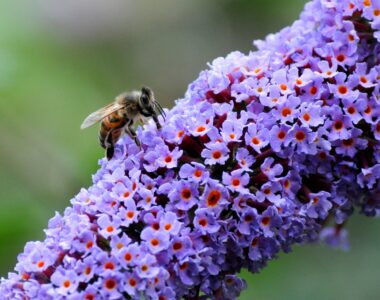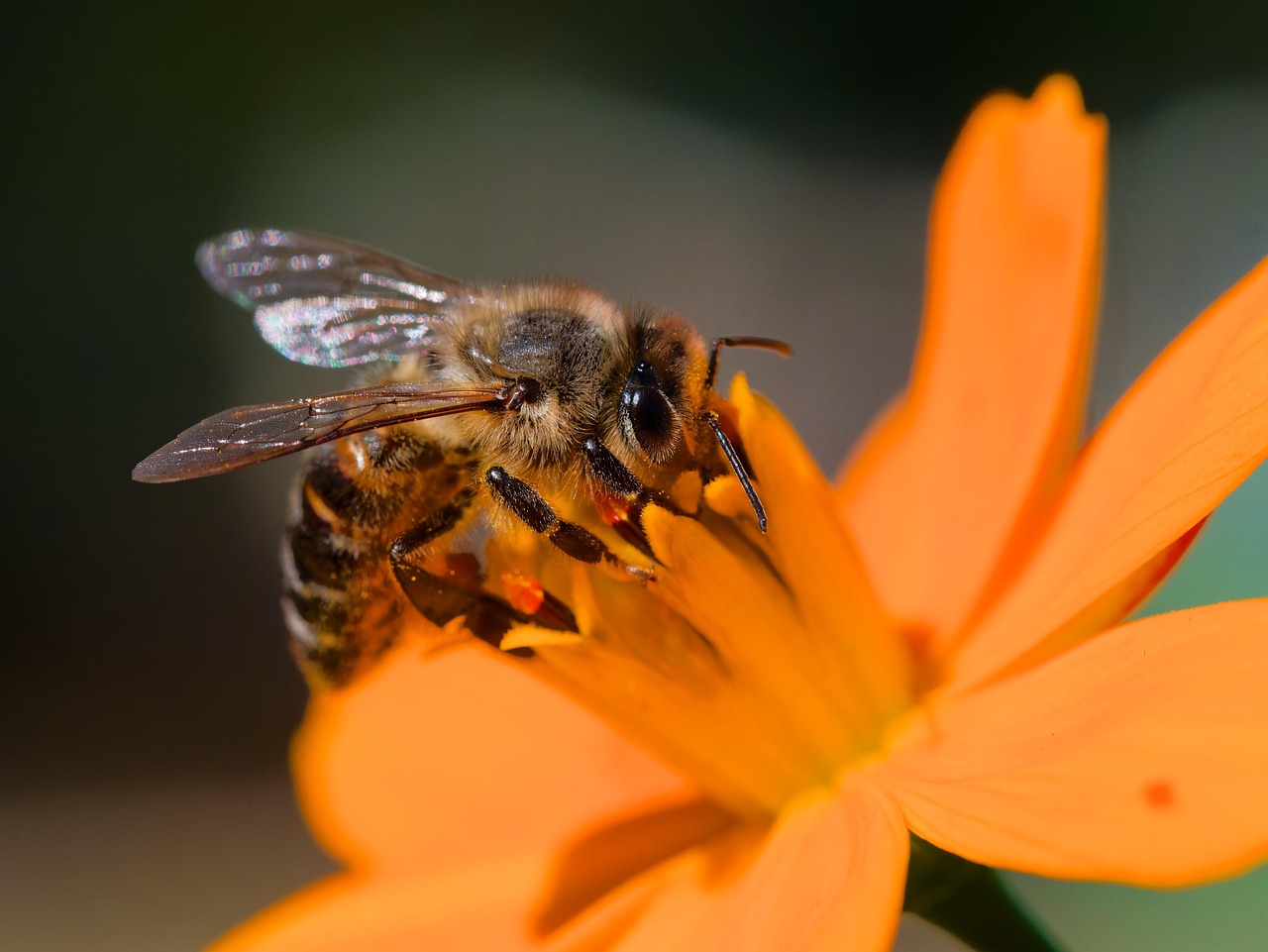
May is one of the best times to add flowers that support bees, butterflies, and other beneficial insects. Warmer soil and longer days create strong conditions for planting, and many flowers established now will bloom through summer. If you are wondering which pollinator flowers to plant this month, several easy, productive options can help bring life into your garden while supporting pollinators.
Pollinators play an important role in food production. Many fruits, vegetables, and flowering crops rely on bees and other pollinators to help produce harvests. Adding the right flowers can support pollinator activity while also making a garden more colorful and resilient.
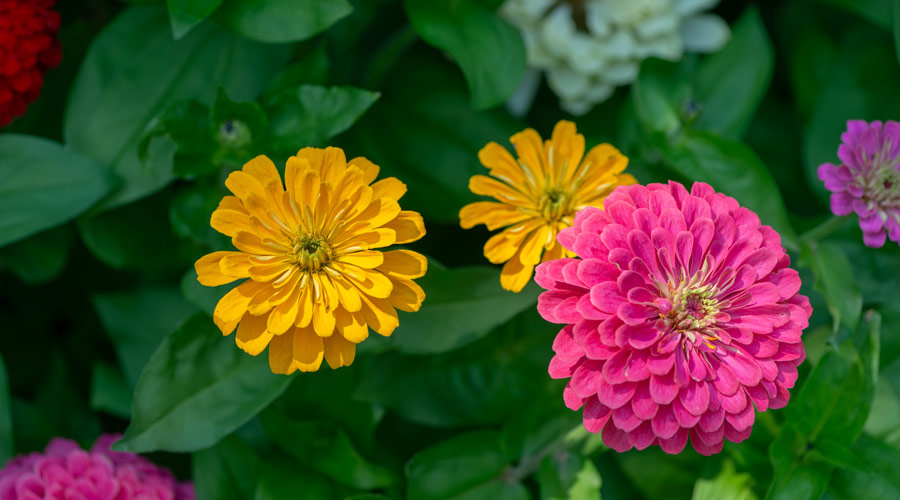
1. Zinnias
Zinnias are one of the easiest pollinator flowers to grow and a favorite for butterflies.
How to plant:
Direct sow seeds after frost has passed. Plant seeds about ¼ inch deep in well-drained soil.
Sun and water:
Zinnias need full sun, ideally 6 to 8 hours daily. Water regularly while young, then water deeply when soil begins to dry.
Why plant them:
They bloom for months, attract butterflies, and make excellent cut flowers.
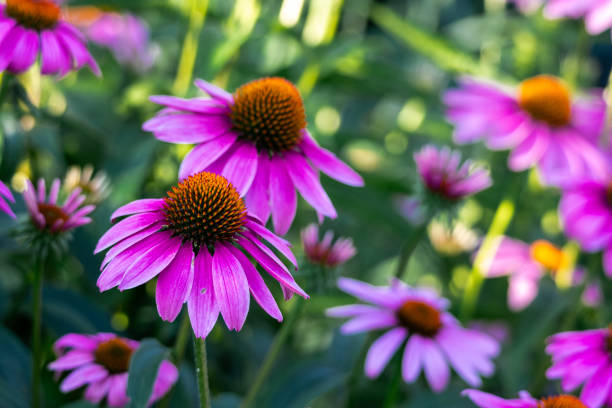
2. Coneflower
Coneflower, also called echinacea, is a hardy perennial and one of the best pollinator flowers for bees.
How to plant:
Plant nursery starts or sow seeds in sunny locations with well-drained soil. Space plants 18 to 24 inches apart.
Sun and water:
Full sun is best. Water regularly until established, then plants become drought tolerant.
Why plant them:
They provide nectar through summer and seed heads can feed birds later in the season.
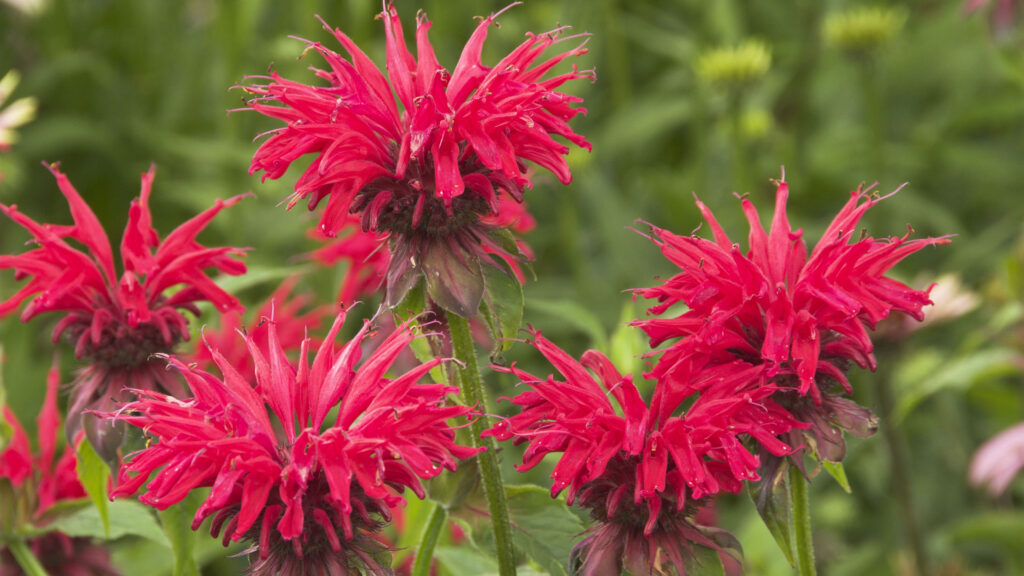
3. Bee Balm
Bee balm attracts bees, butterflies, and hummingbirds.
How to plant:
Plant transplants in compost-rich soil with room for airflow. This helps reduce mildew.
Sun and water:
Bee balm likes full to partial sun and evenly moist soil.
Why plant it:
Few pollinator flowers attract as much activity in the garden.
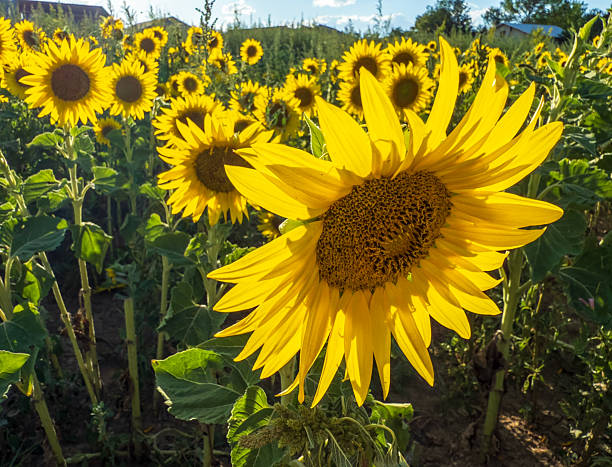
4. Sunflowers
Sunflowers are easy to grow and support pollinators while also feeding birds later.
How to plant:
Direct sow seeds 1 inch deep after danger of frost has passed. Space according to variety.
Sun and water:
They need full sun and deep watering during early growth.
Why plant them:
Sunflowers provide nectar, pollen, and later seed. They also add height and structure to a garden.
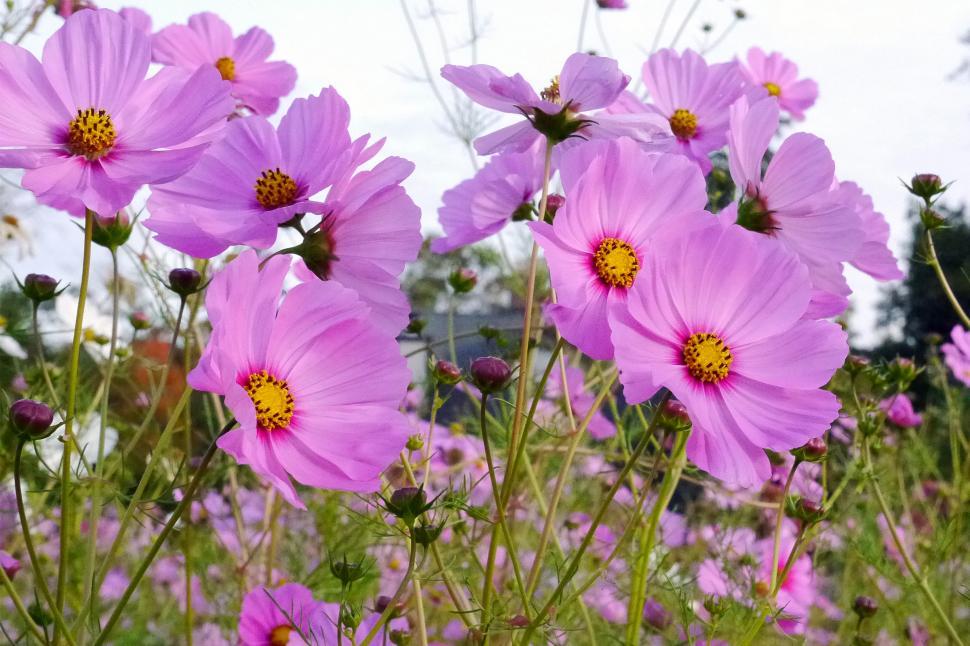
5. Cosmos
Cosmos are often overlooked but rank among the easiest pollinator flowers for beginner gardeners.
How to plant:
Direct sow seeds in loose soil and lightly cover.
Sun and water:
They prefer full sun and moderate watering.
Why plant them:
They bloom quickly, reseed easily, and attract bees and butterflies throughout the season.
How to Build a Pollinator-Friendly Garden
Planting a few flowers helps, but grouping pollinator flowers together often creates a bigger impact. Planting in clusters makes blooms easier for pollinators to find.
Try to:
- Plant flowers with staggered bloom times
- Include different flower shapes
- Avoid pesticide use near blooms
- Add shallow water sources
- Mix annuals and perennials
These simple steps can help support pollinators from spring through fall.
Why It Matters
Pollinators support gardens, farms, and food production. Many crops depend on pollination, making pollinator-friendly planting more than just a gardening trend.
Planting flowers in May gives gardeners time to establish blooms before summer heat arrives. It also creates habitat when pollinators are actively feeding and reproducing.
If you have space for even a small flower bed or a few containers, adding pollinator flowers can help your garden thrive while supporting the insects that help feed us.
Farm Trader encourages gardeners to support local nurseries and farms when sourcing seeds and plants this spring.
Sources:
USDA pollinator resources; Xerces Society planting guides; National Garden Bureau seasonal growing recommendations.