At-home gardening is picking up as spring arrives, and many people are asking the same question: what should I plant right now? The answer depends on your climate, but in most regions, the what to plant now window includes cool-season crops, early vegetables, and fast-growing plants that thrive in mild temperatures.
This guide breaks down what to plant and how to grow it, with clear steps for watering, sunlight, and maintenance.
Leafy Greens: Fast and Easy to Grow
What to plant now:
Lettuce, spinach, arugula, kale
How to plant:
Plant seeds directly into loose, well-drained soil about ¼ inch deep. Space rows 6 to 12 inches apart depending on the variety. These crops do not need deep planting and germinate quickly in cool soil.
Sun and water:
Leafy greens need about 4 to 6 hours of sunlight per day. Water consistently to keep the soil slightly moist but not soaked.
When to prune or harvest:
Harvest outer leaves as they grow instead of pulling the entire plant. If leaves start to turn bitter or grow tall quickly, the plant is “bolting” due to heat and should be harvested.
Root Vegetables: Grow Below the Surface
What to plant now:
Carrots, radishes, beets, turnips
How to plant:
Sow seeds directly into the soil at a depth of about ½ inch. Thin seedlings early to give roots room to grow. Loose soil is important so roots can develop evenly.
Sun and water:
Root vegetables need full sun, about 6 to 8 hours per day. Water deeply but less frequently to encourage roots to grow downward.
When to thin or maintain:
Thin plants when they are a few inches tall to prevent overcrowding. Crowded plants produce smaller roots.
Flowers: Add Color and Support Pollinators
What to plant now:
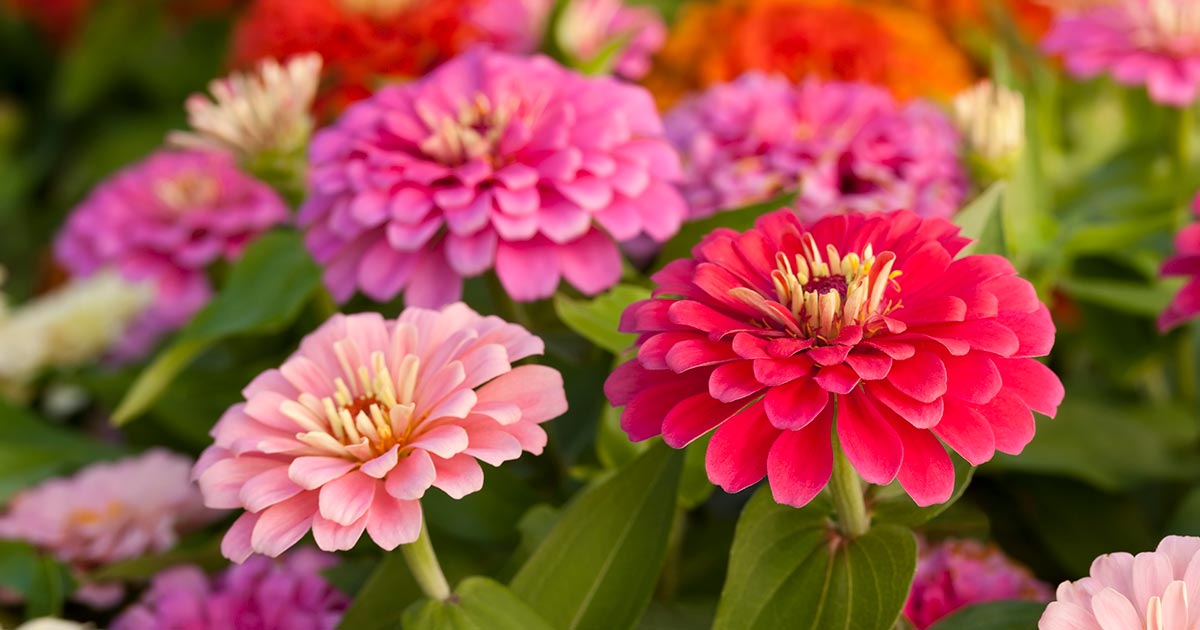
Marigolds, zinnias, sunflowers, morning glories
How to plant:
Plant seeds directly in the ground after the risk of frost has passed. Follow spacing instructions on the seed packet to allow airflow and growth.
Sun and water:
Most flowers need full sun, about 6 to 8 hours daily. Water regularly but avoid overwatering.
When to prune:
Deadhead flowers, or remove spent blooms, to encourage more growth. If plants become leggy, trimming can help them fill out.
Vined Vegetables: Plan for Space
What to plant now (after last frost):
Cucumbers, squash, zucchini, pumpkins
How to plant:
Plant seeds in small mounds or rows. Space plants well apart, as vines spread quickly. Use trellises for support if space is limited.
Sun and water:
Vined crops need full sun and consistent watering. Keep soil moist, especially during flowering and fruit development.
When to prune:
Trim excess growth if vines become too dense. Removing some leaves can improve airflow and reduce disease risk.
Warm-Season Vegetables: Wait for Warmer Soil
What to plant now (or start indoors):
Peppers, tomatoes, eggplant
How to plant:
Start seeds indoors if temperatures are still cool. Transplant outdoors after the last frost when soil warms to at least 60 degrees.
Sun and water:
These plants need full sun, 6 to 8 hours daily. Water deeply but allow soil to dry slightly between watering.
When to prune:
Remove lower leaves and small shoots to direct energy toward fruit production. Stake or cage plants for support as they grow.
Why Timing Matters
Knowing what to plant helps plants establish strong roots and grow efficiently. Planting at the right time reduces stress, improves yields, and makes gardening more successful.
Spring is the best time to start, but conditions matter. Watch your soil, monitor temperatures, and follow planting guidelines for each crop. With the right approach, even a small garden can produce a strong harvest.
Related Blog: Raised Bed Planting (Spring Guide)