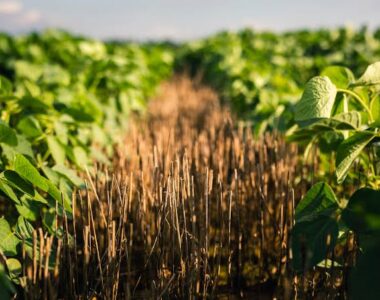
Rising temperatures are creating growing extreme heat concerns across the agriculture industry. New reporting shows that prolonged heat is already affecting crop yields, livestock health, and overall food production in multiple regions.
Scientists and international organizations report that crops struggle when temperatures rise beyond normal ranges. Corn, wheat, and soybeans rely on stable weather during key growth stages. When heat levels increase, plants lose moisture faster, reduce photosynthesis, and produce lower yields. These patterns are driving more extreme heat concerns as the growing season begins.
Crop Production Faces Increased Risk
Farmers depend on predictable weather to plan planting and manage crops. Extreme heat disrupts that process. High temperatures during pollination can reduce the number of kernels or seeds that develop. This directly lowers yield potential.
Dry conditions often follow extended heat, which increases stress on crops. Even with irrigation, sustained high temperatures can limit plant performance. In response, some farmers adjust planting timelines or choose crop varieties that can better tolerate heat. These adjustments reflect ongoing extreme heat concerns in key growing regions.
Livestock and Farm Operations Affected
Extreme heat also impacts livestock production. Animals exposed to high temperatures experience heat stress. This reduces feed intake, slows growth, and lowers productivity. Dairy cattle often produce less milk during extended heat events.
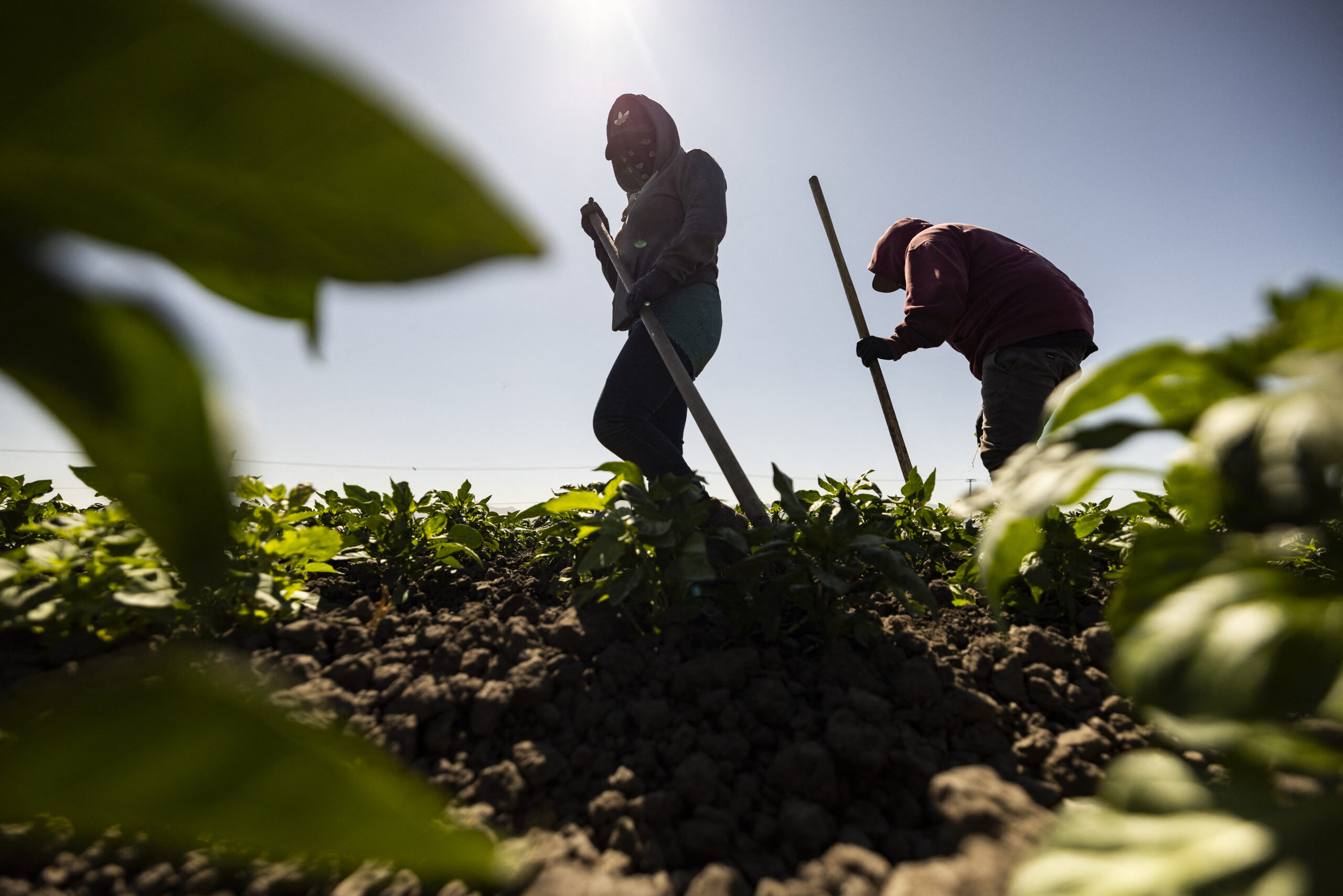
Farm workers also face higher risk during extreme heat. Many operations must limit working hours and implement additional safety measures. These conditions affect daily farm operations and increase labor challenges.
Long-Term Pressure on Food Systems
Global reports show that rising temperatures may continue to affect agriculture in the coming years. More frequent heat events could reduce crop output and increase volatility in food supply. These trends are increasing extreme heat concerns across the global food system.
Agriculture depends on stable growing conditions. Extreme weather introduces more uncertainty into production. Farmers, researchers, and policymakers continue to monitor these conditions closely.
Why It Matters
Growing extreme heat concerns affect both farmers and consumers. Lower crop yields and reduced livestock productivity can impact food availability and increase prices. As temperatures continue to rise, agriculture will face new challenges tied to weather and climate conditions.
Farm Trader is committed to bringing you unbiased news based only on the facts. It is our job to keep you informed and only report what is really happening.
Source: The Guardian, reporting on global food systems and the impact of extreme heat on agriculture.