Most people shop for food the same way they shop for almost everything else. We choose what is easiest.
We drive to the closest grocery store, walk the same aisles, and buy the same products every week because convenience fits into busy lives. There is nothing wrong with that. Humans naturally move toward what feels simple and familiar. But when it comes to food, convenience has slowly changed the way many people think about where food comes from and who grows it.
That is one reason more people are starting to explore eating local food and shopping directly from farms.
Why “Cheap” Food Is Not Always Cheap
At first glance, large grocery stores often appear cheaper. Products are shipped in massive quantities, sold year-round, and designed for convenience. But there are hidden costs behind that system.
Food often travels hundreds or even thousands of miles before reaching store shelves. Transportation, fuel, refrigeration, packaging, and storage all become part of the process. By the time a tomato reaches a grocery store, it may have been harvested weeks earlier and transported across several states or countries.
Farmers also face rising labor costs, fertilizer prices, equipment expenses, and weather risks while trying to compete in a system built around volume and low pricing.
That pressure affects farms across the country. Smaller farms especially struggle because they often cannot compete with large-scale industrial pricing models.
This is where eating local food becomes important.
What Makes Local Food Different
Local food usually travels a much shorter distance from the farm to the customer. In many cases, produce is harvested only days, or even hours, before sale. That often means fresher flavor, longer shelf life, and fewer handling steps.
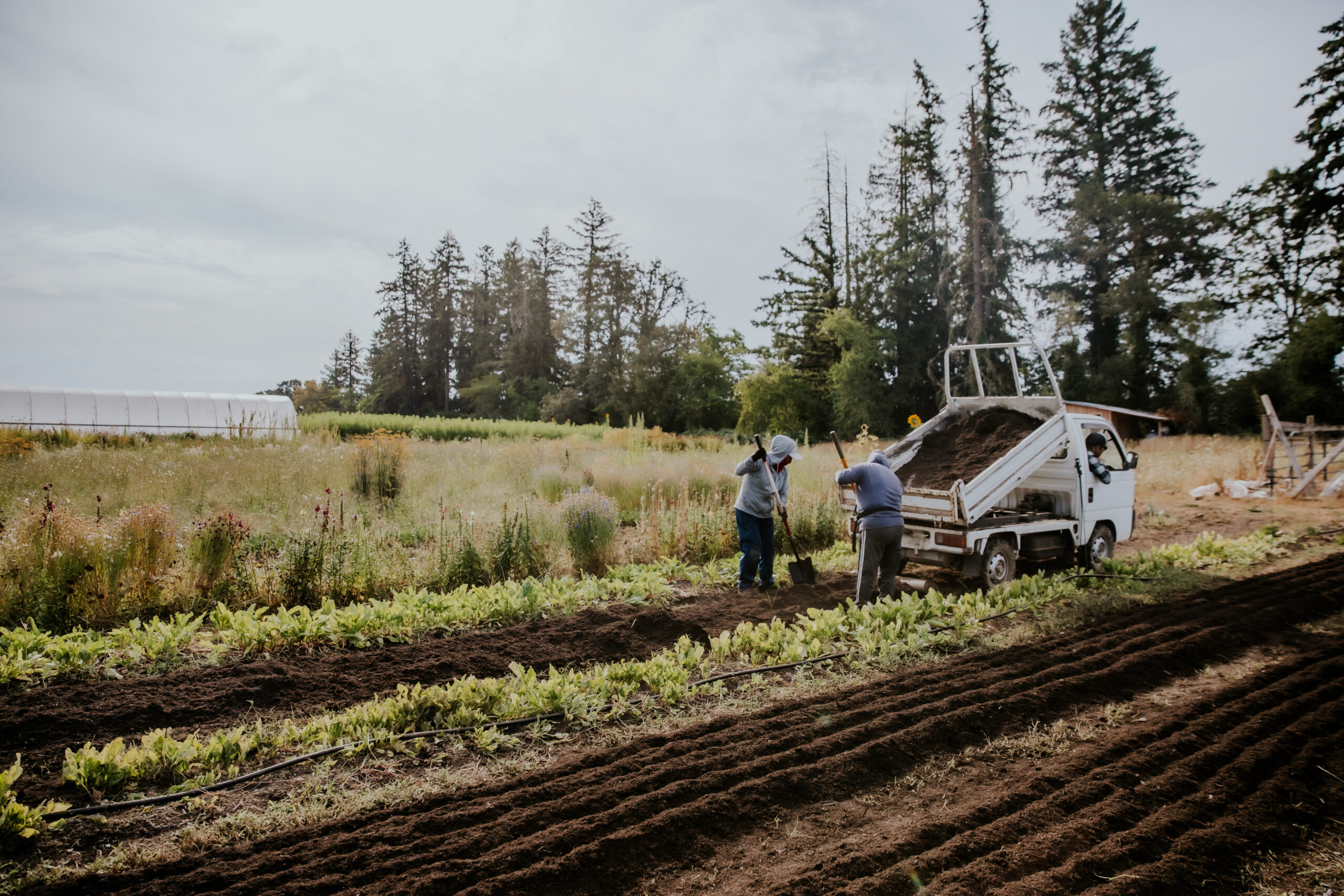
Shopping locally also allows consumers to support the people actually growing the food. Instead of profits moving through multiple distributors and corporations, more of the money stays with farmers and within local communities.
Many people assume shopping local is difficult or inconvenient. In reality, it often just takes a little research in the beginning. Once people find farms, nurseries, or marketplaces they trust, the process becomes much easier.
That is where platforms like Farm Trader come into play. The goal is to make eating local food just as simple as traditional grocery shopping by helping people discover farms, products, and growers in one place.
Local Food Creates a Better Connection
One of the biggest benefits of shopping local is reconnecting with food itself. People begin learning what grows seasonally, how weather affects harvests, and what farmers actually deal with each year.
That connection changes the way many people shop and eat. Food becomes more than just another product on a shelf.
Consumers also tend to discover new products when they shop locally. Seasonal strawberries, fresh herbs, farm eggs, specialty meats, homemade jams, nursery plants, and local honey often taste very different from mass-produced alternatives.
Why It Matters
The conversation around eating local food is not about eliminating grocery stores or making shopping harder. It is about giving people another option and helping them understand the value behind their food.
If more consumers support local farms, more farms can stay in business. More farmland can stay in production. Local communities become stronger, and consumers gain better access to fresh food.
Changing the way we shop can change the way we eat and the relationship we have with food altogether.
Farm Trader was built to make discovering and shopping from local farms easier, because supporting local agriculture should not feel complicated.