The U.S. cattle industry is facing growing uncertainty as cattle trade disruptions tied to the New World screwworm continue affecting livestock movement, beef markets, and ranching operations across North America.
For more than a year, the United States has restricted cattle imports from Mexico as officials worked to prevent the spread of the flesh-eating parasite. Now, with confirmed screwworm cases in Texas and New Mexico, the issue has become even more significant for ranchers and the broader beef industry.
What We Know About the Screwworm Situation
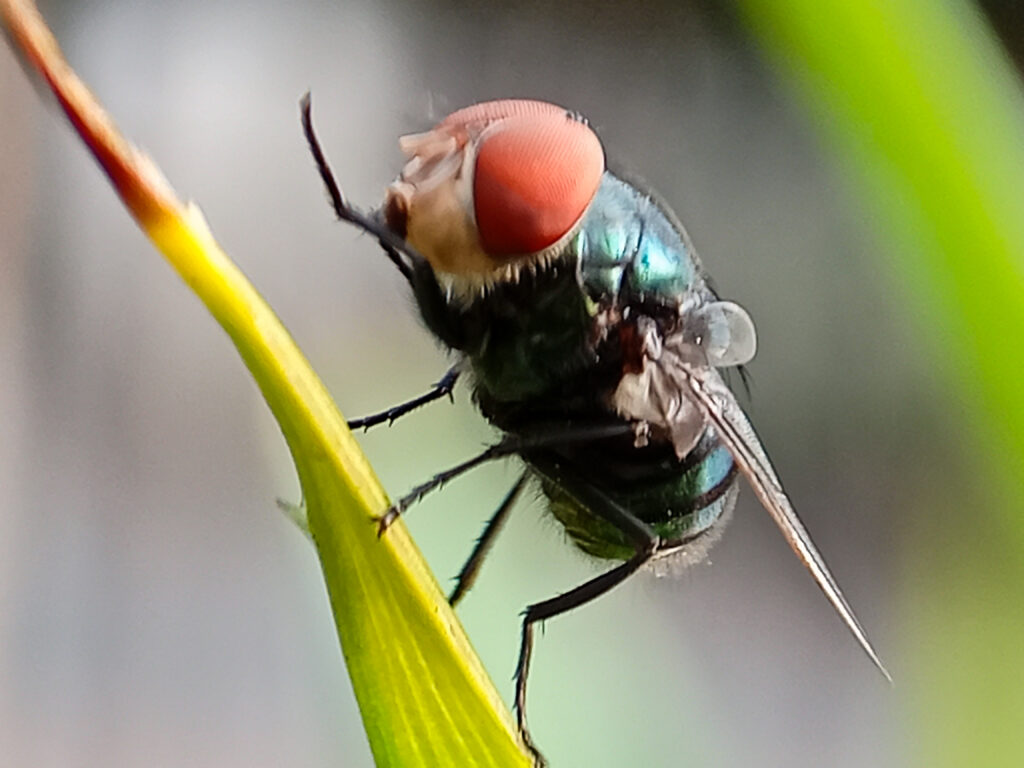
The New World screwworm is a parasitic fly whose larvae feed on living tissue. The pest can severely injure livestock and, if left untreated, may kill affected animals.
The United States successfully eradicated the screwworm decades ago. However, the parasite gradually spread north through Central America and Mexico during the latest outbreak. Officials have spent months trying to prevent it from crossing into the United States. Despite those efforts, federal authorities recently confirmed multiple domestic cases in Texas and New Mexico.
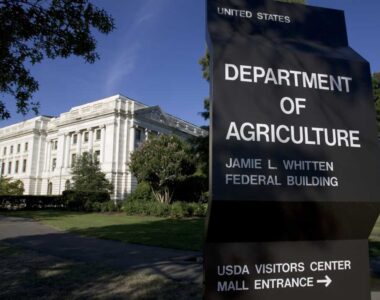
In response, the USDA has expanded surveillance, increased sterile fly releases, accelerated treatment approvals, and maintained restrictions designed to limit further spread. Officials expect additional cases but believe containment efforts can still be successful.
How Cattle Trade Disruptions Are Affecting Ranchers
The ongoing cattle trade disruptions have created challenges on both sides of the border.
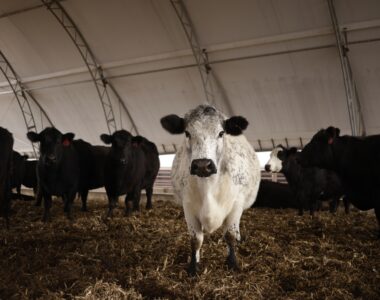
The United States historically imported large numbers of feeder cattle from Mexico. Those animals helped support feedlots, processors, transportation companies, and beef production throughout the Southwest.
However, import restrictions have significantly reduced cattle movement. As a result, some Texas feedlots have faced supply shortages while operating costs remain elevated. Ranchers are also dealing with drought, expensive feed, and historically low cattle inventories.
Meanwhile, Mexican producers have adapted by expanding feedlots and processing facilities within Mexico. Instead of exporting live cattle, many operations have shifted toward exporting processed beef products. Mexican beef exports to the United States increased substantially during the first months of 2026.
Why This Matters for Beef Prices
The current cattle trade disruptions are happening at a difficult time for the U.S. beef industry.
The national cattle herd remains near its lowest level in decades. Beef supplies are already tight, and prices have reached record highs in many markets. Industry analysts warn that continued trade restrictions, combined with the screwworm threat, could place additional pressure on supplies and prices.
Experts have also warned that a widespread screwworm outbreak could create significant economic losses for cattle-producing states, particularly Texas.
Why Consumers Should Care
Many consumers may never see the effects of the screwworm outbreak directly, but they may feel the impact through food prices and supply chain disruptions.
Ranchers, feedlots, processors, truckers, veterinarians, and rural communities all play a role in the beef supply chain. When cattle trade disruptions affect one part of the system, the consequences can spread throughout the industry.
The situation also highlights how animal health issues can quickly become economic issues. Protecting livestock health remains essential for maintaining a stable food supply and supporting American agriculture.
Why It Matters
The New World screwworm has already changed cattle trade patterns across North America. Ranchers continue adapting to supply shortages, trade restrictions, and increased uncertainty while federal agencies work to contain the pest.
The coming months will be critical. If containment efforts succeed, normal trade patterns may gradually return. If the parasite spreads further, the cattle industry could face additional challenges at a time when beef supplies are already tight.
Farm Trader is committed to bringing you unbiased news based only on the facts. It is our job to keep you informed and only report what is really happening.
Sources:
- Reuters: Screwworm border closure fuels beef boom in Mexico, gloom in Texas
- Reuters: U.S. confirms new screwworm cases as ranchers brace for spread