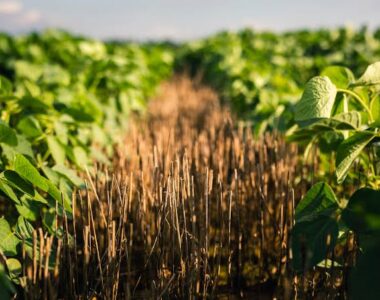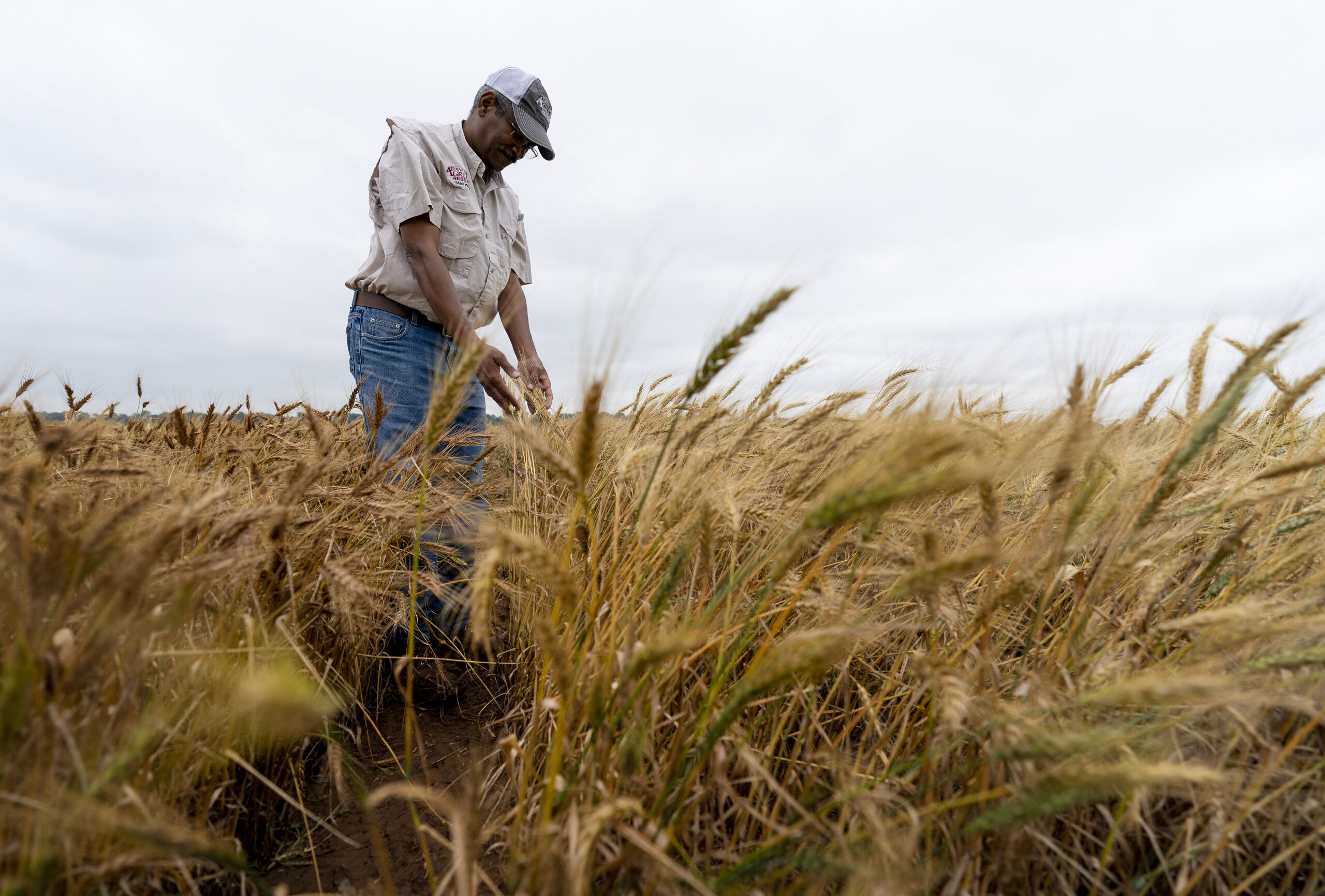
The U.S. Department of Agriculture recently lowered its outlook for the 2026 winter wheat crop after severe drought conditions damaged fields across key growing regions. The revised forecast shows significantly lower production than previously expected, raising concerns throughout agriculture and the broader food system.
The reduction in the winter wheat forecast comes after months of dry weather across the Great Plains. USDA officials reported worsening crop conditions in several major wheat-producing states, including Kansas, Oklahoma, and Texas. As a result, projected production for hard red winter wheat has fallen to one of the lowest levels seen in decades.
Why Winter Wheat Matters
Many consumers never think about wheat until they buy bread, cereal, pasta, or baked goods. However, wheat plays a major role in the American food supply.
Winter wheat serves as a primary ingredient in flour production. Bakers use it to make bread, rolls, crackers, and countless other products found in grocery stores. When the winter wheat forecast declines, grain supplies tighten and prices can increase throughout the supply chain.
The impact does not stop with food products. Wheat also serves as an important ingredient in livestock feed. Ranchers and livestock producers often rely on wheat and wheat byproducts to help feed cattle and other animals.
Because of this, lower wheat production can affect both food and livestock markets.
What Caused the Decline?
Drought remains the primary reason behind the lower winter wheat forecast.
Large portions of the Plains experienced below-average rainfall during critical growing periods. Wheat plants struggled to develop properly as soil moisture levels continued falling. USDA crop reports showed poor crop conditions across many wheat-producing regions throughout the spring.
Farmers cannot simply replace lost wheat production overnight. Once drought damages a crop during key growth stages, yields often suffer for the remainder of the season.
As harvest begins, producers are now assessing the full extent of the damage.
Why Consumers Should Care
A lower winter wheat forecast affects more than farmers.
When wheat production falls, grain markets often respond with higher prices. Those increases can eventually influence the cost of flour, bread, pasta, baked goods, and other everyday products.
Livestock producers may also face higher feed costs if grain supplies become tighter. Increased feed expenses can create additional pressure on meat, dairy, and poultry production.
In other words, what happens in wheat fields today can eventually affect grocery store shelves months from now.
Challenges Continue for Farmers
The reduced winter wheat forecast also highlights the challenges farmers continue facing across the country.
Many producers are already dealing with rising fertilizer costs, higher interest rates, expensive equipment, and ongoing weather concerns. Now, drought-related crop losses are creating another financial challenge for farms that depend on wheat production.
For some growers, lower yields may mean reduced income during a year when profit margins are already tight.
Why It Matters
The USDA’s latest forecast serves as a reminder that agriculture remains heavily dependent on weather. Drought can quickly reduce crop production and create ripple effects throughout the food system.
While the final size of the wheat harvest remains uncertain, the lower winter wheat forecast shows how weather events can affect farmers, livestock producers, food manufacturers, and consumers alike.
Agriculture touches every part of our daily lives. Understanding what happens in farm fields helps explain why food prices change and why supporting farmers remains important.
Farm Trader is committed to bringing you unbiased news based only on the facts. It is our job to keep you informed and only report what is really happening.
Sources:
- USDA Crop Production and Crop Progress Reports
- Reuters reporting on USDA cuts to the 2026 winter wheat harvest outlook following Plains drought conditions.