Summer is arriving, farmers markets are opening across the country, and there has never been a better time to support local agriculture. If you have been looking for a simple way to eat fresher food, meet local farmers, and strengthen your community, a visit to a farmers market is a great place to start.
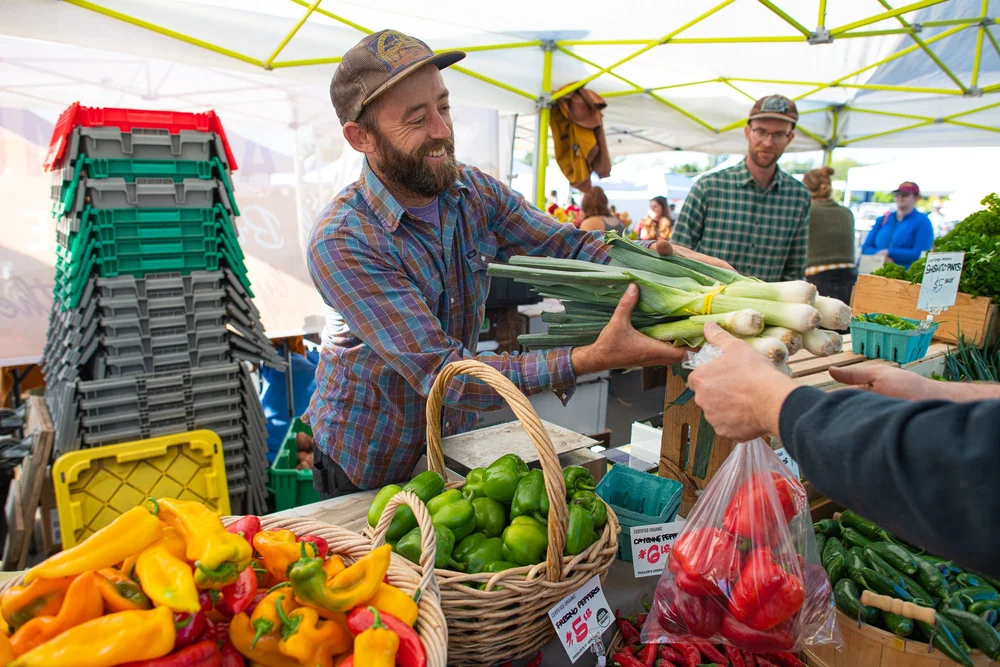
While grocery stores offer convenience, farmers markets offer something different. They give shoppers the opportunity to connect directly with the people growing their food. They also provide access to some of the freshest fruits, vegetables, meats, eggs, flowers, and homemade products available.
For many consumers, a farmers market becomes much more than a place to shop. It becomes a place to build relationships.
Why Farmers Markets Matter
One of the biggest benefits of visiting a farmers market is freshness.
Many products sold at farmers markets were harvested within days, and sometimes even hours, of being offered for sale. Strawberries, lettuce, herbs, radishes, onions, and other seasonal products often taste noticeably better because they are picked at peak ripeness.
Shopping local also allows more of your money to go directly to the farmer. Instead of moving through multiple distributors, warehouses, and retailers, your purchase supports the farm that produced the food.
That support helps local farms stay in business and continue producing food for their communities.
What to Bring to the Farmers Market
A little preparation can make your trip even better.
Before heading to a farmers market, consider bringing:
- reusable shopping bags
- a cooler for meat, dairy, or eggs
- cash, although many vendors now accept cards
- a shopping list
- water if you plan to browse for a while
Arriving early often provides the best selection. However, visiting later in the day sometimes creates opportunities for deals on remaining products.
What to Look For
Many shoppers focus only on produce, but farmers markets often offer much more.
Look for:
- fresh strawberries
- leafy greens
- herbs
- honey
- farm eggs
- pasture-raised meats
- baked goods
- flowers
- nursery plants
- handmade products
Most importantly, talk to the farmers.
Ask what is in season. Ask how products were grown. Ask what they recommend. Farmers are often happy to share growing tips, recipe ideas, and information about their farms.
These conversations help create connections that last long after market day ends.
Building Relationships With Local Farmers
A farmers market is one of the few places where consumers can meet the people producing their food.
Those relationships matter.
When you get to know a farmer, you learn when certain products become available. You discover new foods. You gain a better understanding of what goes into growing crops and raising livestock.
Many consumers eventually begin buying directly from farms throughout the year, not just at the market.
In many cases, a single conversation at a farmers market can turn into years of supporting a local farm.
Make Shopping Local Even Easier
One challenge consumers often face is finding farms outside of market days.
That is where Farm Trader comes in.
Farm Trader helps connect consumers directly with local farms, ranches, nurseries, and producers. Many farms listed on Farm Trader offer farmers market pickup options, allowing customers to order products before the market even begins.
Instead of hoping your favorite items are still available when you arrive, you can often reserve products in advance and pick them up at the market.
This makes shopping local easier while helping farms plan inventory and sales.
The Best Time of Year to Shop Local
Late spring and early summer are some of the most exciting times for local food. New products arrive every week, farmers markets are full of activity, and farms are entering peak growing season.
If you have never visited a farmers market, now is the perfect time to start. Bring a bag, meet a farmer, and discover what is growing in your community.
You may find that supporting local farms becomes one of the most rewarding parts of how you shop.
Farm Trader was built to make shopping local easier by helping consumers discover farms, products, and growers all in one place.