A new report from the United Nations warns that rising temperatures are placing increasing pressure on global agriculture. The report highlights growing extreme heat concerns as high temperatures continue to affect crop production, livestock health, and overall food system stability worldwide.
According to the findings, extreme heat has already begun reducing crop yields in several regions. Crops such as wheat, corn, and rice depend on stable weather conditions during key growth stages. When temperatures rise above optimal levels, plants struggle to maintain normal development. This can reduce yields and affect food supply. These impacts are contributing to broader extreme heat concerns across global food systems.
Crop Production Facing Increased Risk
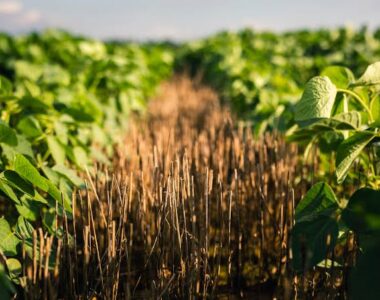
The UN report states that prolonged heat events can disrupt plant growth and limit productivity. During periods of high temperatures, crops lose moisture more quickly and experience stress that reduces their ability to produce grain or fruit. In some cases, extreme heat during flowering can prevent crops from developing properly.
Farmers are also dealing with drier soils in many regions. Heat often accelerates evaporation, which reduces soil moisture and increases the need for irrigation. In areas without sufficient water access, crops may not recover from these conditions. These challenges continue to drive extreme heat concerns as growing seasons become less predictable.
Livestock and Labor Impacts
Extreme heat affects more than crops. The report also notes that livestock production is under pressure. Animals exposed to high temperatures can experience heat stress, which reduces feed intake and slows growth. Dairy production can also decline during extended heat events.
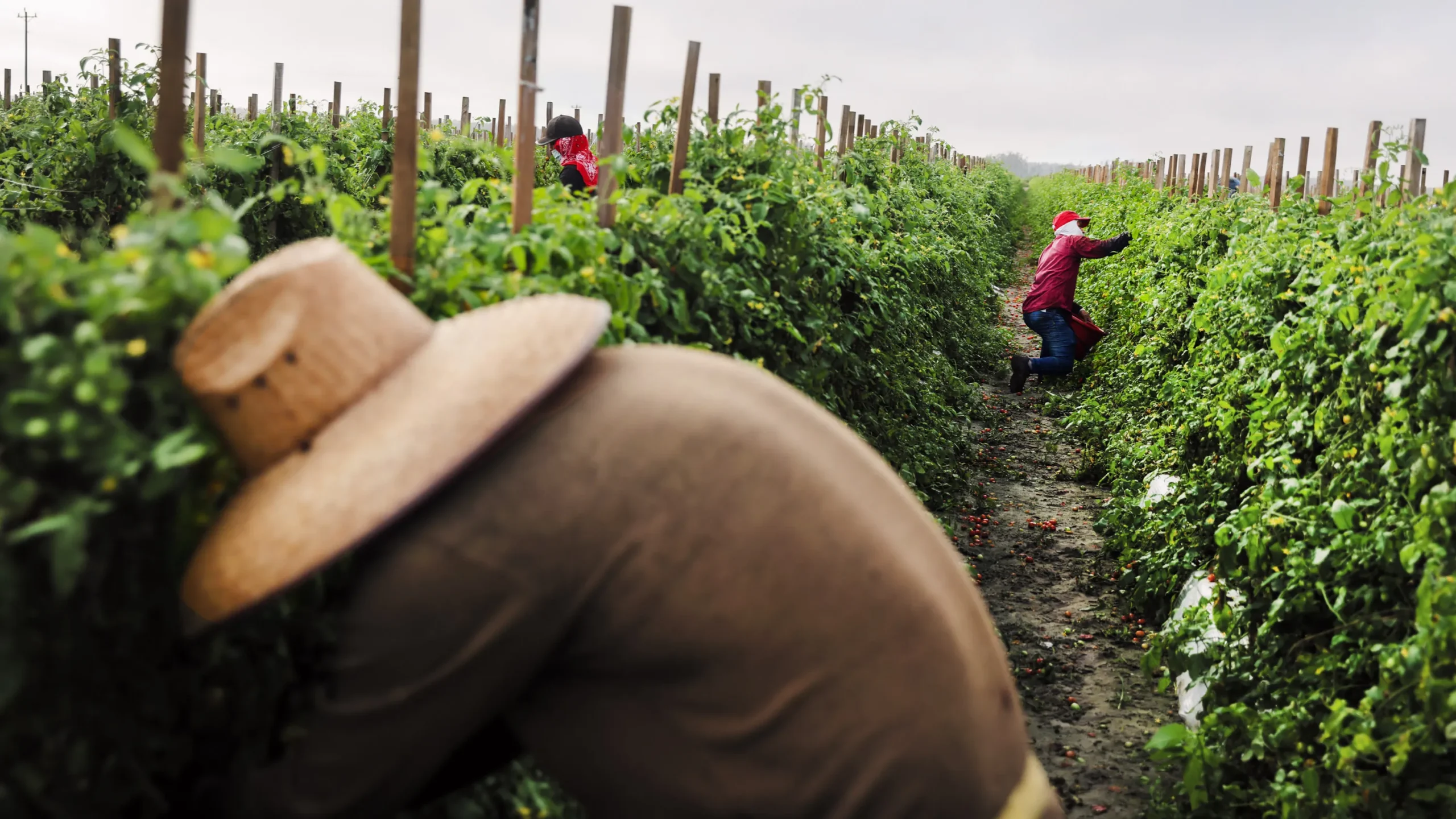
Farm workers face increased risk as well. High temperatures can make outdoor work dangerous, especially during peak heat hours. In some regions, farmers must adjust work schedules or limit time in the field to reduce risk. These conditions add another layer to ongoing extreme heat concerns.
Global Food System at Risk
The United Nations warns that global food systems are being “pushed to the brink” as extreme heat events become more frequent. As temperatures continue to rise, more regions may experience conditions that reduce agricultural output.
The report highlights that food systems depend on stable growing conditions. When those conditions shift, production becomes less predictable. This can affect food availability, supply chains, and pricing on a global scale.
Why It Matters
The rise in extreme heat concerns affects both farmers and consumers. Lower crop yields and reduced livestock productivity can lead to tighter food supplies and higher prices. These impacts can be felt across local and global markets.
The report emphasizes the need to monitor changing weather patterns and understand how they affect agriculture. Farmers, researchers, and policymakers continue to assess how to respond to increasing heat and its impact on food production.
Farm Trader is committed to bringing you unbiased news based only on the facts. It is our job to keep you informed and only report what is really happening.
Source: The Guardian, “World food systems ‘pushed to the brink’ by extreme heat, UN warns.”