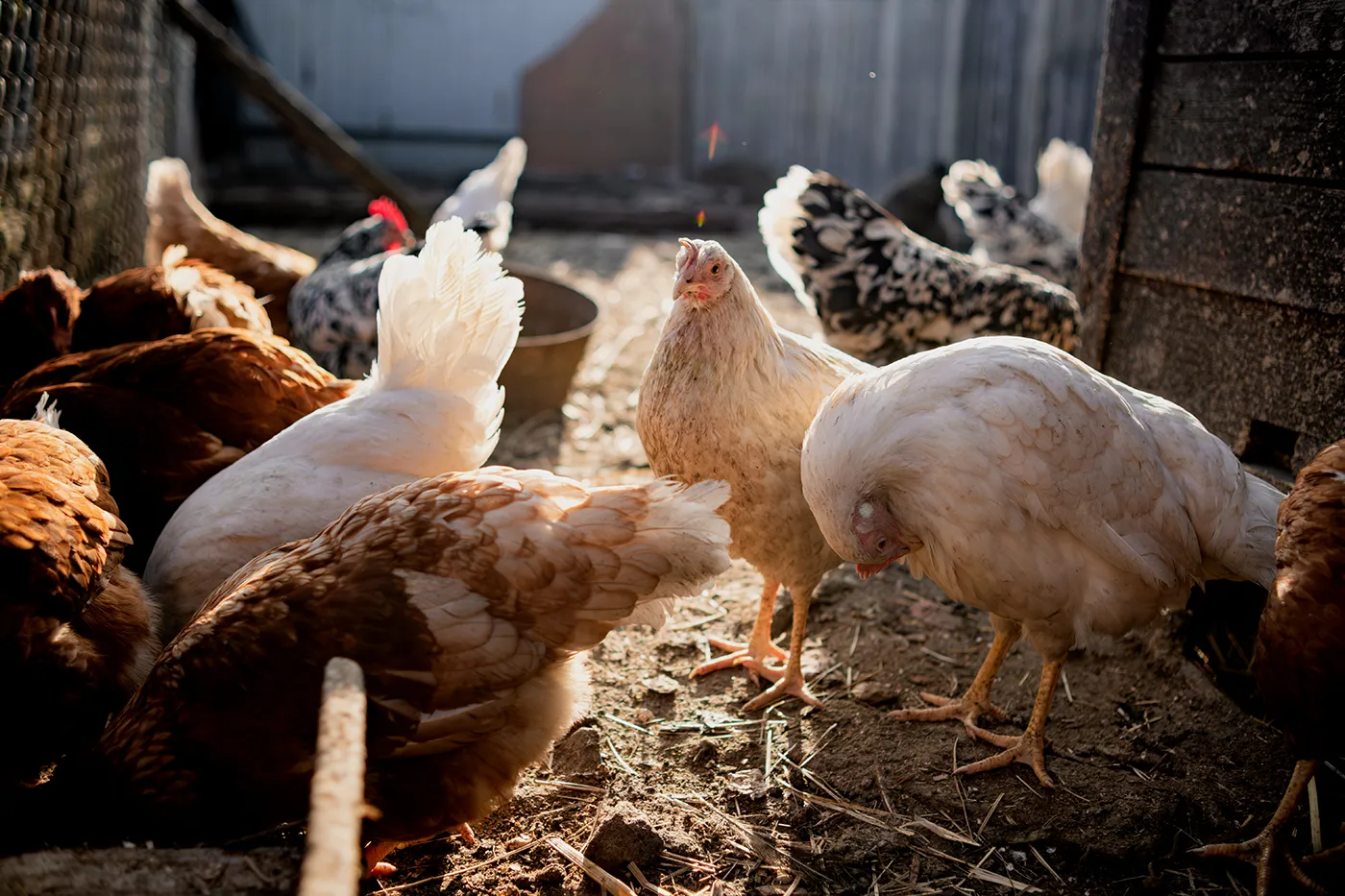
Raising backyard chickens has become increasingly popular for families who want fresh eggs, more control over their food, and a closer connection to how that food is produced. Chickens are one of the easiest livestock animals to start with, but they still require planning, proper housing, and daily care. This backyard chickens guide walks through what you need to know before bringing chickens home.
Why People Raise Backyard Chickens
Many people start raising chickens for fresh eggs, but there are several other benefits. Chickens help control insects in a yard or garden, they produce manure that can be composted for fertilizer, and they are relatively low-maintenance compared to larger livestock.
However, chickens still require daily attention and proper housing. Anyone considering a flock should be prepared for the responsibility that comes with caring for animals year-round.
Check Local Regulations First
Before purchasing chickens, check your city or county regulations. Many areas allow backyard chickens but limit the number of birds or prohibit roosters because of noise. Some municipalities also require permits or have rules about coop placement.
Understanding these rules ahead of time helps prevent issues after you start your flock.
How Much Space Chickens Need
Proper space is one of the most important parts of raising chickens successfully. Overcrowding can lead to stress, feather pecking, and health problems.
A good rule of thumb is:
- Inside the coop: 3 to 4 square feet per chicken
- Outdoor run: 8 to 10 square feet per chicken
For example, if you plan to keep six chickens, your coop should provide at least 18 to 24 square feet of interior space, and your outdoor run should provide about 60 square feet.
Chickens also benefit from free-ranging if your yard allows it, but a secure run helps protect them from predators.
What You Need to Get Started
A few essential items make up the foundation of a successful backyard chicken setup.
Chicken Coop
The coop provides shelter and protection from weather and predators. It should include good ventilation, nesting boxes for egg laying, and roosting bars where chickens sleep.
Nesting Boxes
Provide one nesting box for every three to four hens. Boxes should be filled with bedding such as straw or pine shavings.
Roosting Bars
Chickens prefer to sleep off the ground. Install roosting bars about two to three feet above the coop floor.
Feeders and Waterers
Chickens need constant access to clean water and balanced poultry feed. Hanging feeders and waterers help keep food clean and reduce waste.
Bedding Material
Pine shavings or straw work well for coop bedding. Bedding helps absorb moisture and keeps the coop clean.
Predator Protection
Use hardware cloth instead of chicken wire for the run and coop openings. Hardware cloth prevents predators such as raccoons and foxes from reaching the birds.
Choosing the Right Chickens
Many beginners start with three to six hens, which provides a steady egg supply without becoming overwhelming. Popular beginner-friendly breeds include:
- Rhode Island Red
- Plymouth Rock
- Australorp
- Orpington
These breeds are known for reliable egg production and calm temperaments.
A healthy hen typically lays 200 to 300 eggs per year, depending on the breed and daylight conditions.
Daily Care and Commitment
Chickens require daily attention. Each day you will need to:
- Check food and water
- Collect eggs
- Inspect birds for health issues
- Secure the coop at night
Weekly tasks include cleaning bedding and checking fencing or coop structures. A deeper coop cleaning should happen every few weeks depending on flock size.
Raising chickens is not overly time consuming, but it does require consistency. Expect to spend about 10 to 20 minutes per day caring for a small backyard flock.
Is Raising Chickens Right for You?
Chickens can be a rewarding addition to a backyard or small homestead. They provide fresh eggs, natural pest control, and a chance to become more connected to food production. With proper housing, enough space, and consistent care, a small flock can thrive for many years.
For anyone considering their first flock, planning ahead and understanding the basics will make the experience far more successful. A well-managed backyard flock can provide fresh eggs and enjoyment while introducing people to the fundamentals of small-scale farming.
Related Blog: Getting Started in Farming: A Practical Guide for Young and New Farmers