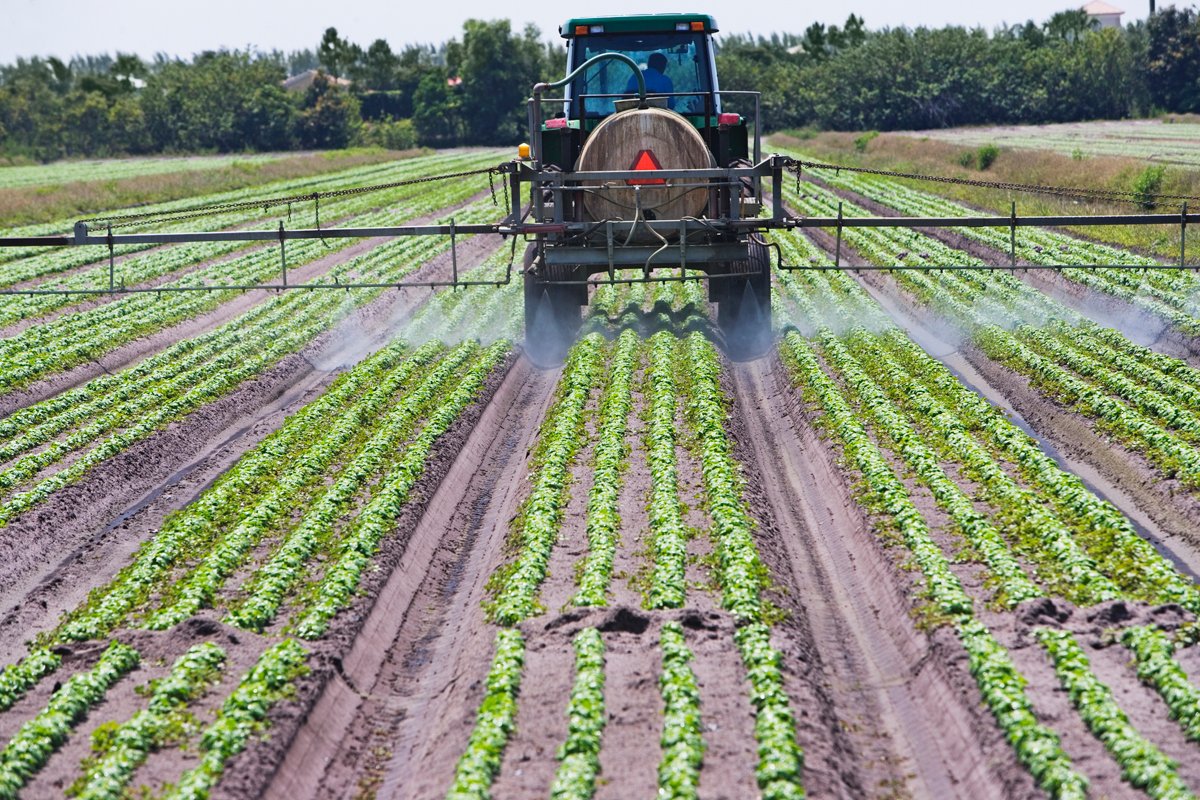
Agricultural analysts are warning that rising geopolitical tensions in the Middle East could disrupt global fertilizer markets. The concern centers on how instability in the region may affect the production and transportation of key nutrients used in modern crop production. These developments are drawing attention because fertilizer remains one of the most important input costs for farmers worldwide.
The current discussion focuses on the potential fertilizer supply disruption that could occur if conflict affects production facilities or shipping routes tied to fertilizer exports. Several countries in the region play important roles in global fertilizer supply chains, either through direct production of nitrogen-based fertilizers or through transportation routes used to move nutrients across international markets.
Why Fertilizer Supply Matters
Fertilizer plays a critical role in crop production. Farmers rely on nitrogen, phosphorus, and potassium to support plant growth and maintain yields. When supply chains tighten or prices increase, producers often face higher operating costs.
A possible fertilizer supply disruption could affect both availability and pricing. Fertilizer markets are already sensitive to global events because production is concentrated in a limited number of regions. Changes in supply conditions can quickly influence international prices.
If production or export flows slow, import-dependent countries may compete for available fertilizer supplies. This dynamic can increase market volatility and affect purchasing decisions for farmers preparing for planting seasons.
Potential Impact on Farm Operations
For many producers, fertilizer represents one of the largest expenses in crop production. Corn, wheat, and other major crops require significant nutrient inputs. A fertilizer supply disruption could force farmers to adjust input strategies or revisit crop budgets.
Producers often plan fertilizer purchases months in advance, but price fluctuations can still affect farm profitability. When fertilizer prices increase, farmers may evaluate alternative nutrient management strategies, adjust application rates, or reconsider crop rotations.
Agricultural economists note that fertilizer markets have historically responded quickly to global supply concerns. Shipping disruptions, export restrictions, or production slowdowns can all contribute to price volatility.
Monitoring Global Fertilizer Markets
Market analysts and agricultural organizations continue to monitor fertilizer production and export conditions closely. The potential for fertilizer supply disruption remains tied to developments in global trade routes and production capacity.
Farmers, input suppliers, and commodity markets often track these developments because fertilizer availability directly affects planting decisions and long-term production planning.
While supply chains remain active, analysts say global fertilizer markets will likely remain sensitive to geopolitical developments and transportation conditions in key producing regions.
Farm Trader is committed to bringing you unbiased news based only on the facts. It is our job to keep you informed and only report what is really happening.
Source: Agriculture.com coverage of potential fertilizer market impacts tied to Middle East conflict.