The U.S. Department of Agriculture approved a disaster declaration to help Pennsylvania fruit growers recover after a damaging late spring freeze hurt orchards across the eastern United States. Agriculture Secretary Brooke Rollins signed the declaration after growers reported widespread crop losses tied to freezing temperatures during a critical stage of fruit development.
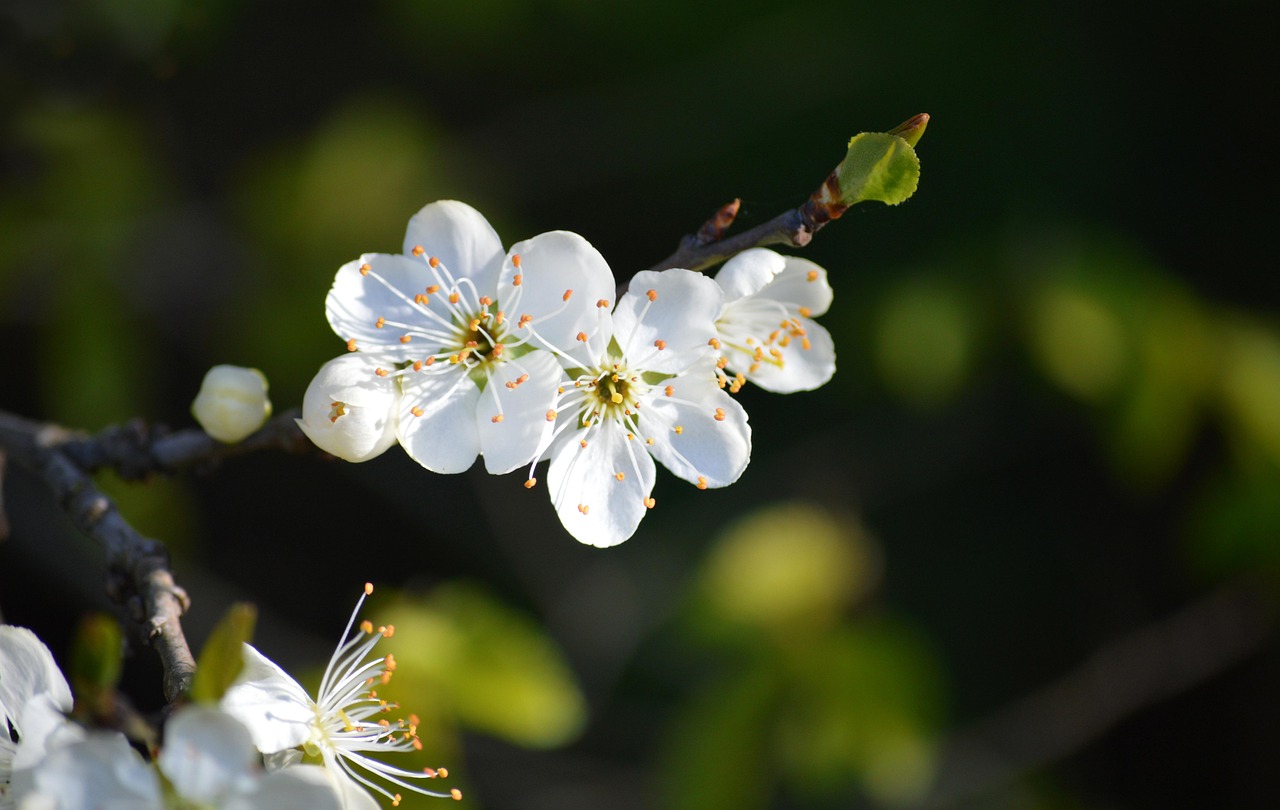
Earlier this spring, unusually warm weather caused many fruit trees to bloom ahead of schedule. However, temperatures later dropped below freezing across several eastern states. As a result, many blossoms and developing fruit could not survive the cold.
Officials say the freeze damaged apples, peaches, cherries, and other fruit crops throughout Pennsylvania and surrounding regions. Because of the losses, the USDA will now allow eligible growers to apply for emergency assistance and low-interest disaster loans through federal programs. The announcement has placed renewed attention on freeze damage relief and the growing challenges facing specialty crop farms.
What Happened to Fruit Farms
Fruit trees become extremely vulnerable after blooming begins. Once blossoms open, freezing temperatures can quickly damage or destroy future fruit production.
This year, warm temperatures arrived early across much of the eastern United States. Many orchards entered bloom weeks ahead of normal conditions. Then, a late freeze moved through several growing regions and exposed orchards to dangerous temperatures.
Pennsylvania agriculture officials reported significant losses across multiple fruit-producing counties. Some growers lost large portions of their expected harvest.
As a result, the USDA moved forward with the disaster declaration to provide freeze damage relief for affected farms.
Why This Creates Major Financial Pressure
Fruit farming requires year-round investment long before harvest season arrives. Orchard owners spend months managing pruning, spraying, labor, irrigation, fertilizer, and equipment maintenance before selling a single piece of fruit.
When a freeze destroys blossoms, farms often lose most of the income they expected for the season. Unlike some crops, fruit trees cannot simply be replanted and harvested again within the same year.
Therefore, disaster programs and freeze damage relief become critical after severe weather events. Federal assistance may help farms cover operating expenses and continue production into future seasons.
Weather Risks Continue Growing
The Pennsylvania freeze also highlights the growing weather risks facing agriculture. Many growers say unpredictable spring temperatures are becoming more common.
Warm weather arriving too early can push crops into bloom ahead of schedule. Then, even a short freeze event can cause widespread damage.
Fruit farms across the eastern United States continue monitoring temperature swings closely because timing now plays a larger role in crop survival.
In addition, smaller family farms often face the greatest financial pressure after weather disasters because they typically have fewer financial reserves.
Why It Matters
Fruit growers supply local food systems, grocery stores, roadside stands, processors, and regional markets throughout the eastern United States. When orchards lose crops, the effects can impact fruit supply, seasonal jobs, farm income, and consumer prices.
The USDA disaster declaration shows how serious the freeze damage became this season. Federal officials say freeze damage relief programs will help farms recover and remain operational after major crop losses.
As weather volatility continues affecting agriculture, growers and policymakers will likely place even greater focus on disaster assistance and long-term farm resilience moving forward.
Farm Trader is committed to bringing you unbiased news based only on the facts. It is our job to keep you informed and only report what is really happening.
Source:
- Agriculture.com reporting on USDA disaster declarations and freeze damage relief for Pennsylvania fruit growers.