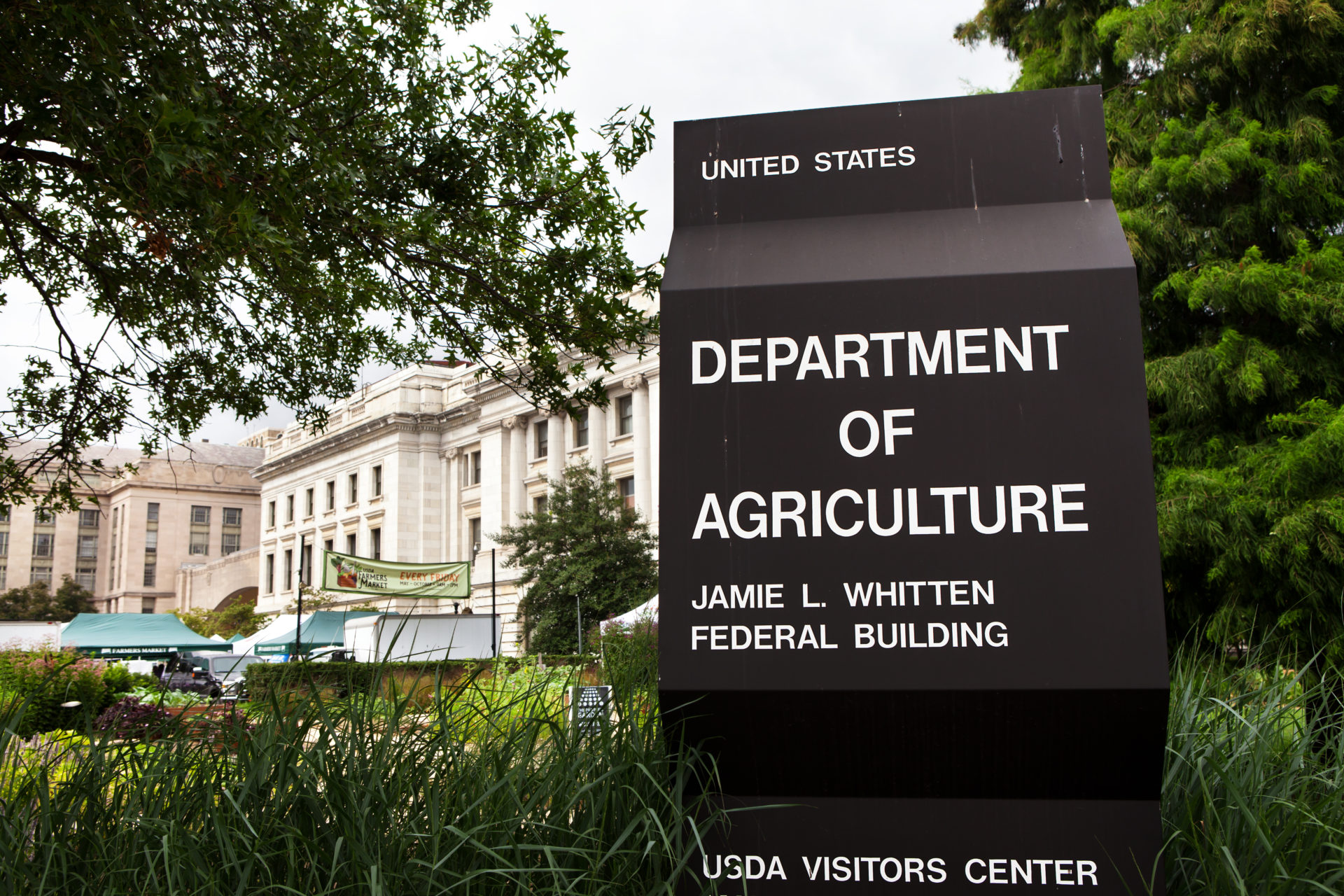
The U.S. Department of Agriculture announced a new effort to help increase American fertilizer production as farmers continue facing high input costs and unstable global supply chains. Federal officials say the initiative will speed up permitting for fertilizer-related projects and help strengthen long-term supply in the United States.
The announcement comes as fertilizer prices remain one of the biggest concerns across agriculture. Farmers have dealt with rising costs for several seasons due to global conflict, shipping disruptions, and dependence on imported fertilizer products. The USDA says expanding domestic fertilizer production could help reduce some of that pressure over time.
What the USDA Announced
Agriculture Secretary Brooke Rollins said the USDA is working with several federal agencies to accelerate permitting for fertilizer manufacturing, mining, and processing projects. Agencies involved include the Department of the Interior, Environmental Protection Agency, Army Corps of Engineers, and Department of Commerce.
Officials say the goal is to remove delays that slow down fertilizer projects in the United States. The USDA believes faster approvals could help companies expand production capacity more quickly.
The plan also continues previous USDA efforts to support fertilizer competition and investment. Existing federal programs have already provided funding to independent fertilizer companies and projects focused on expanding nutrient production.
Why Fertilizer Matters to Farmers
Fertilizer remains one of the largest expenses in crop production. Corn farmers especially rely on nitrogen fertilizer to maintain strong yields. When prices rise, many farmers adjust planting plans or reduce fertilizer applications to control costs.
That is one reason domestic fertilizer production has become a major issue in agriculture policy discussions. Federal officials say the U.S. currently depends too heavily on imported fertilizer and foreign-controlled supply chains.
The USDA argues that increasing domestic production could help stabilize supply and improve long-term availability for farmers.
Farmers Continue Facing High Costs
Input costs continue to pressure farms across the country. Along with fertilizer, producers are also managing higher fuel, equipment, labor, and transportation expenses.
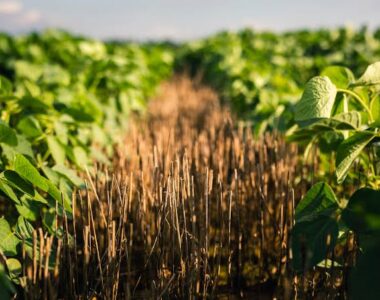
Some farmers have already shifted acreage away from crops like corn and toward soybeans because soybeans generally require fewer fertilizer inputs. Others are reducing fertilizer rates in an effort to protect profit margins.
Agriculture groups say unstable fertilizer supply continues creating uncertainty during planting season. They argue stronger domestic fertilizer production could help reduce some of that volatility in future years.
What Happens Next
The USDA says the permitting effort is designed to encourage new projects and increase long-term production capacity. Some proposed projects involve traditional fertilizer manufacturing, while others focus on nutrient alternatives and recycling systems.
Industry experts note that many projects will still take time to develop. Farmers are unlikely to see immediate price relief this season. However, federal officials believe expanding American fertilizer production could improve long-term stability for agriculture.
Why It Matters
Fertilizer affects nearly every part of crop production in the United States. When costs rise, farmers often adjust acreage, crop choices, and input decisions. Those changes eventually impact food production and grocery prices.
The USDA says expanding domestic fertilizer production is part of a larger effort to strengthen agricultural supply chains and reduce dependence on foreign suppliers.
As fertilizer markets remain unstable, many farmers will continue watching how quickly these projects move forward and whether increased production can help lower costs in the future.
Farm Trader is committed to bringing you unbiased news based only on the facts. It is our job to keep you informed and only report what is really happening.
Sources:
- Agriculture.com reporting on USDA fertilizer permitting initiatives
- USDA Daily Newsline fertilizer production announcement
- Western Ag Network fertilizer policy coverage