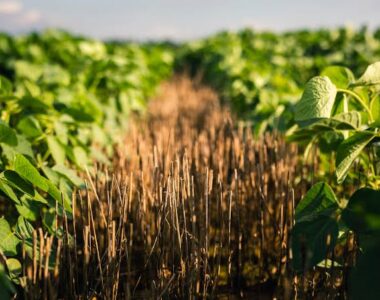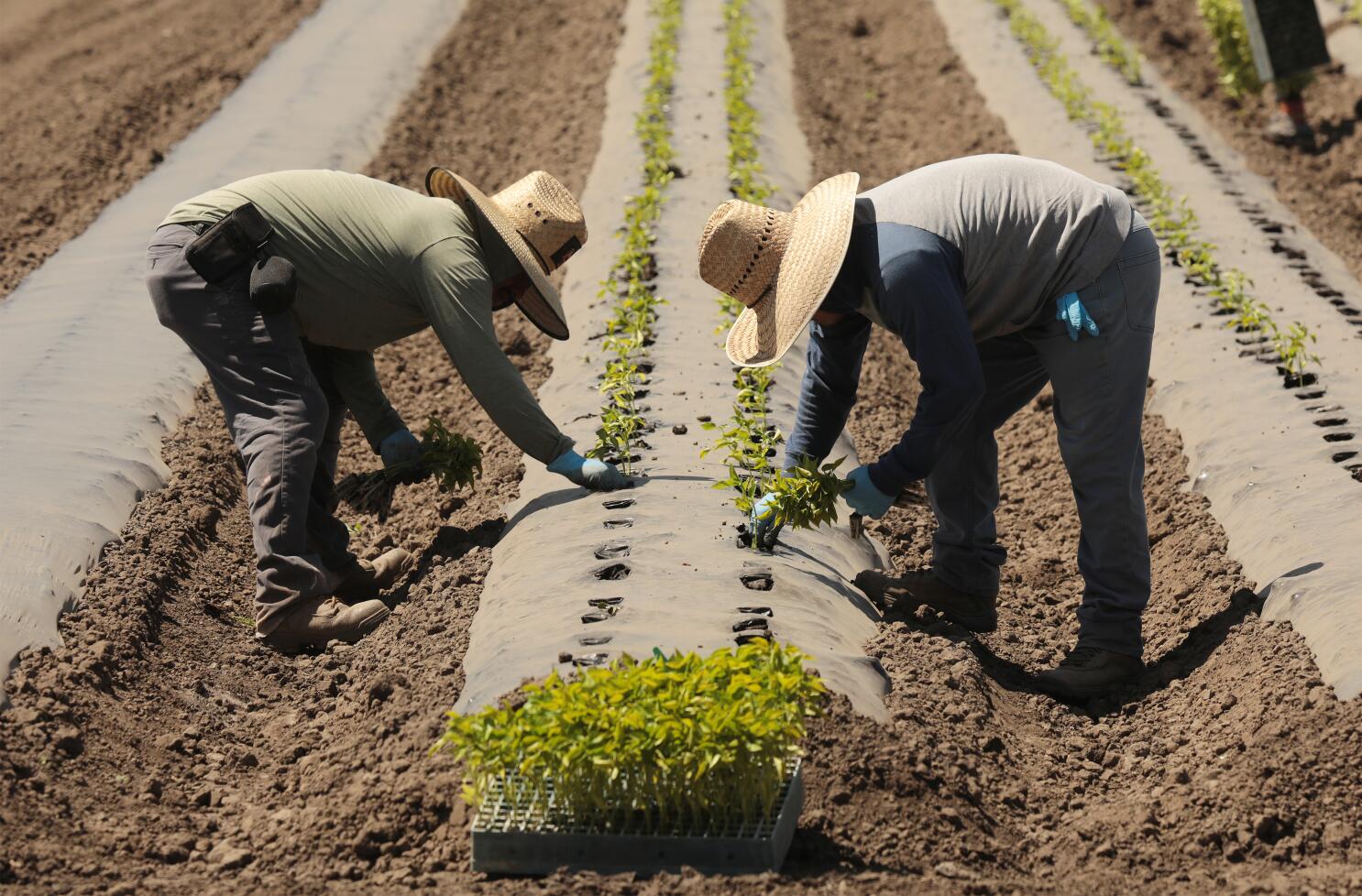
Farmers across much of the country have made strong progress this spring, but weather continues to shape how the season unfolds. Recent USDA crop progress data shows planting has moved ahead of average in several major growing regions, even as drought and excess moisture create challenges elsewhere. This year’s spring planting progress reflects both opportunity and uncertainty for agriculture.
As of the latest USDA report, corn planting reached 25 percent in the top producing states, ahead of the five-year average of 19 percent. Soybean planting reached 23 percent, well ahead of the five-year average of 12 percent.
Where Planting Is Moving Ahead
Farmers in parts of the Midwest have benefited from favorable field conditions. States such as Iowa, Illinois, Indiana, and Nebraska have made solid planting progress, and some growers have already begun seeing early crop emergence. Nebraska reports planting ahead of average, though dry soils remain a concern.
In many areas, spring vegetables and specialty crops have also begun moving into local markets. Growers in warmer regions have already started harvesting early produce such as greens, radishes, onions, and strawberries. Nurseries and farms are also seeing spring demand pick up as consumers buy seedlings, fruit trees, and garden plants.
Where Weather Is Creating Challenges
Not every region has seen smooth conditions. Parts of the Northern Plains have lagged behind due to wet weather and fewer fieldwork days. Spring wheat planting trails the five-year average, and some areas remain too wet for consistent field activity.
Drought also remains a concern in parts of the Plains and West. In some dry regions, farmers continue planting into moisture shortages. Winter wheat conditions remain mixed, and drought stress continues to affect some crop outlooks.
At the same time, overly wet conditions in portions of the Corn Belt have raised concerns about potential planting delays if storms continue. Weather remains the biggest variable shaping the pace of spring planting progress moving forward.
Why Consumers Should Pay Attention
Planting progress may seem like a story only farmers follow, but it affects everyone.
What happens in farm fields influences grocery prices, food availability, and supply later in the year. Crop delays can affect yields. Drought can reduce production. Input costs and weather pressures can influence everything from grain markets to produce prices.
That is why it matters for consumers to pay attention to what is happening on farms. Learning about your local farms and growing conditions creates a stronger connection to the food system and a better understanding of why food prices move.
Spring planting is about much more than getting seeds in the ground. It helps shape what ends up in grocery stores, farmers markets, and on dinner tables months from now.
I encourage readers to keep learning about what is happening in agriculture and to support farms whenever possible. What happens in the field affects all of us.
Farm Trader is committed to bringing you unbiased news based only on the facts. It is our job to keep you informed and only report what is really happening.
Sources: USDA National Agricultural Statistics Service Crop Progress Report; Reuters market reporting on U.S. corn outlook; University of Nebraska CropWatch.