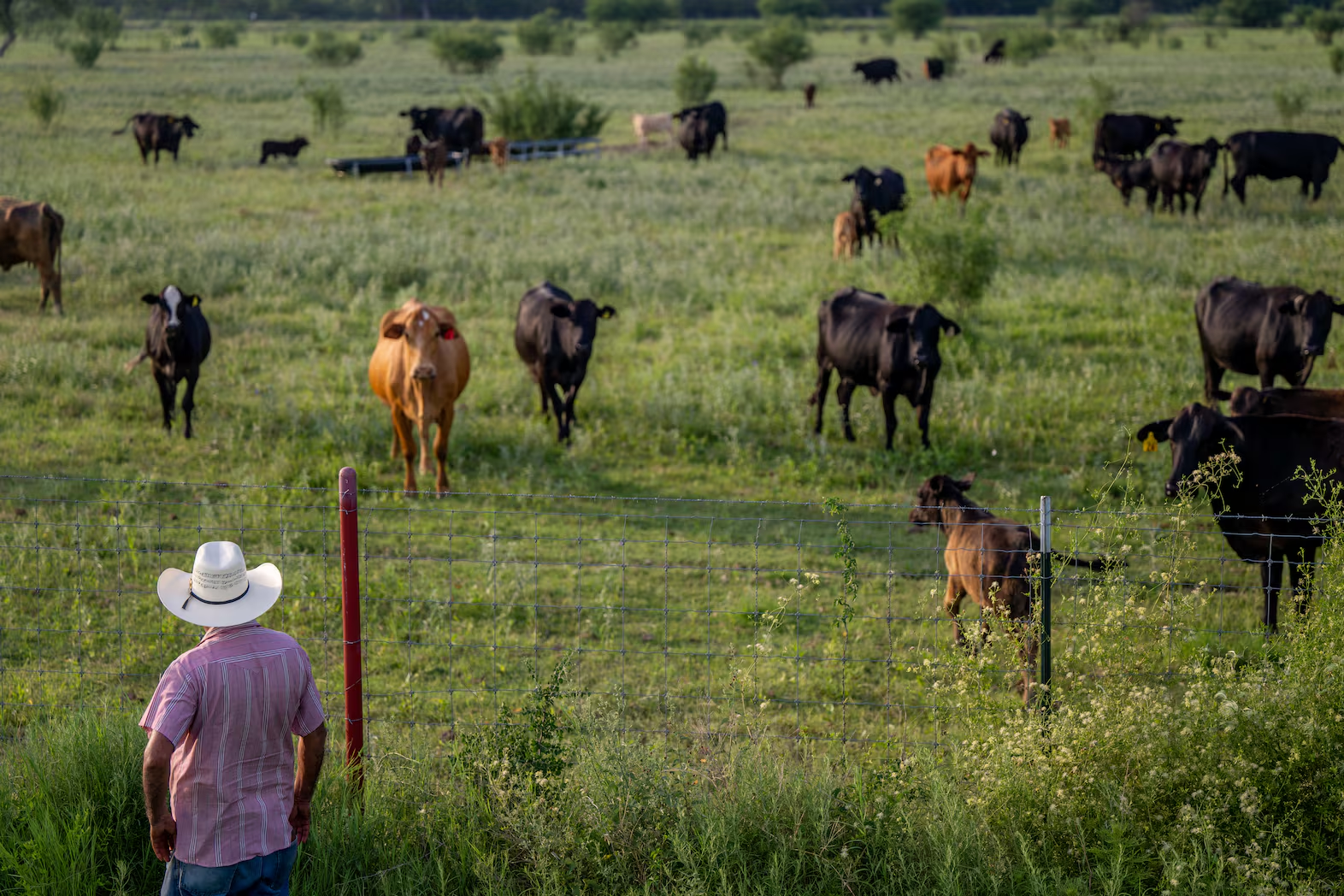
In early February 2026, President Donald Trump signed a proclamation that increases the United States’ low-tariff import quota for beef from Argentina by 80,000 metric tons, specifically focused on lean beef trimmings used in ground beef production. This action is part of a broader trade arrangement between the U.S. and Argentina and aims to boost supply amid tight domestic markets.
What the Policy Does
The proclamation temporarily expands the tariff-rate quota for lean beef trimmings, allowing a larger volume of Argentine beef to enter the U.S. at lower duty rates. By increasing the quota, Argentina will be able to ship more lean beef trimmings to the United States over the course of the calendar year.
This decision follows months of White House discussion about addressing high beef prices for consumers, which reached historically elevated levels in late 2025 due to a combination of strong demand and tight domestic supplies. As part of the trade framework, the United States and Argentina also signed a reciprocal trade and investment agreement, reducing barriers on a range of goods and giving U.S. exports preferential access to Argentine markets.
Industry Reaction and Economic Context
The U.S. beef import expansion sparked strong reactions from cattle producers and industry groups. Many ranchers argue that increasing imports undermines domestic producers and does little to address the root causes of price increases. Some lawmakers representing major cattle-producing states have urged a focus on domestic solutions, including cutting regulatory costs and supporting efforts to rebuild cattle herds.
Economists have noted that even with the expanded quota, Argentine beef will likely remain a small portion of total U.S. beef imports, and the additional supply may not significantly lower prices at the grocery store. However, the increased imports could help improve margins for meat processors and food companies that blend lean trimmings into ground beef products.
What This Means for American Farms
For American cattle producers, the U.S. beef import expansion represents a challenging policy shift at a time when domestic herd sizes are historically low and production costs remain high. Ranchers who reduced herd sizes in recent years due to drought and rising feed costs may face added competitive pressure from imported lean trimmings that share processing space with domestic beef.
At the same time, the policy highlights ongoing challenges in the beef supply chain, including persistent drought conditions, labor constraints, and the need to strengthen cattle inventories to meet long-term demand. Producers and industry stakeholders may increasingly call for policies that support domestic production capacity, herd expansion, and supply chain stability rather than relying on import adjustments to moderate consumer prices.
Farm Trader is committed to bringing you unbiased news based only on the facts. It is our job to keep you informed and only report what is really happening.
Source: The Guardian