Farming attracts more young people every year, and for good reason. It offers purpose, independence, and the chance to build something tangible that feeds communities and protects the land. At the same time, getting started in farming requires planning, research, and a clear understanding of the work ahead. Farming can be deeply rewarding, but it is also demanding, unpredictable, and not something to jump into blindly.
Why Farming Matters
Farming sits at the foundation of every food system. Farmers provide fresh food, steward land and water, and keep rural communities alive. As older generations retire, the future of agriculture depends on new farmers stepping in with fresh energy and ideas. Young farmers play a critical role in shaping resilient, local, and transparent food systems for the future.
Start With Research, Not Equipment
One of the biggest mistakes people make when getting started in farming is focusing too quickly on land and equipment. Before buying anything, new farmers should research different types of farming. Market gardening, livestock, grain production, specialty crops, and mixed-use farms all require different skills, capital, and timelines.
Spend time learning from existing farmers. Visit local farms, attend workshops, and ask questions. Many extension offices, conservation districts, and farm organizations offer free or low-cost educational resources that help beginners understand production, soil health, and business basics.
Use the Right Resources
Young farmers should take advantage of available programs. USDA resources, including extension services, beginning farmer programs, and grant opportunities, can provide education and financial support. Local farming groups, cooperatives, and mentorship programs also offer valuable guidance.
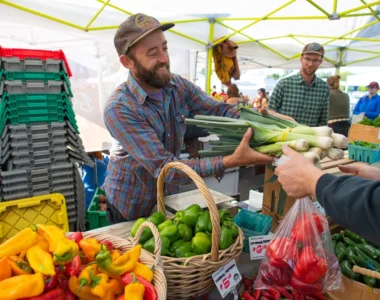
Platforms like Farm Trader that connect farmers directly with consumers can help new producers test markets before scaling. Understanding how to sell products matters just as much as knowing how to grow them when getting started in farming.
Plan Ahead and Start Small
Successful farmers plan years ahead. Create a simple business plan, estimate costs, and understand cash flow. Weather, pests, and markets change quickly, so flexibility matters. Starting small reduces risk and allows farmers to learn without overwhelming debt or pressure.
Know the Reality
Farming involves long hours, physical labor, and uncertainty. It requires patience and resilience. At the same time, it offers freedom, pride, and connection to the land that few careers provide. Those who succeed understand both sides of the work.
A Final Thought
For anyone getting started in farming, preparation is everything. Learn first, plan carefully, and surround yourself with people who know the land. Farming is not easy, but for those willing to commit, it remains one of the most meaningful paths you can choose.