Starting a garden too early can cause seeds to fail, while planting too late can shorten the growing season. Knowing the right time for spring planting helps gardeners get better results and healthier plants. Soil conditions, temperature, and weather all play a role in deciding when to begin. Before putting seeds in the ground, gardeners should check a few important signs to make sure their garden is ready.
Check Soil Temperature Before Planting
Soil temperature is one of the most important factors for successful spring planting. Even if the air feels warm, the soil may still be too cold for seeds to grow. Most cool-season crops, such as lettuce, peas, and spinach, grow best when soil temperatures reach about 40 to 50 degrees Fahrenheit. Warm-season crops like tomatoes, beans, and peppers usually need soil temperatures closer to 60 degrees or higher.
A simple soil thermometer can help gardeners know when conditions are right. Planting in soil that is too cold can slow germination or cause seeds to rot before they sprout.
Know Your Last Frost Date
Frost can damage young plants, so knowing the average last frost date in your area is essential for spring garden planting. The last frost date is the time when freezing temperatures are no longer likely. Gardeners can find this date by checking local extension offices, weather services, or planting calendars for their region.
Cool-season crops can often be planted before the last frost, but warm-season crops should wait until the risk of frost has passed. Planting too early can mean starting over if cold weather returns.
Check Soil Moisture and Drainage
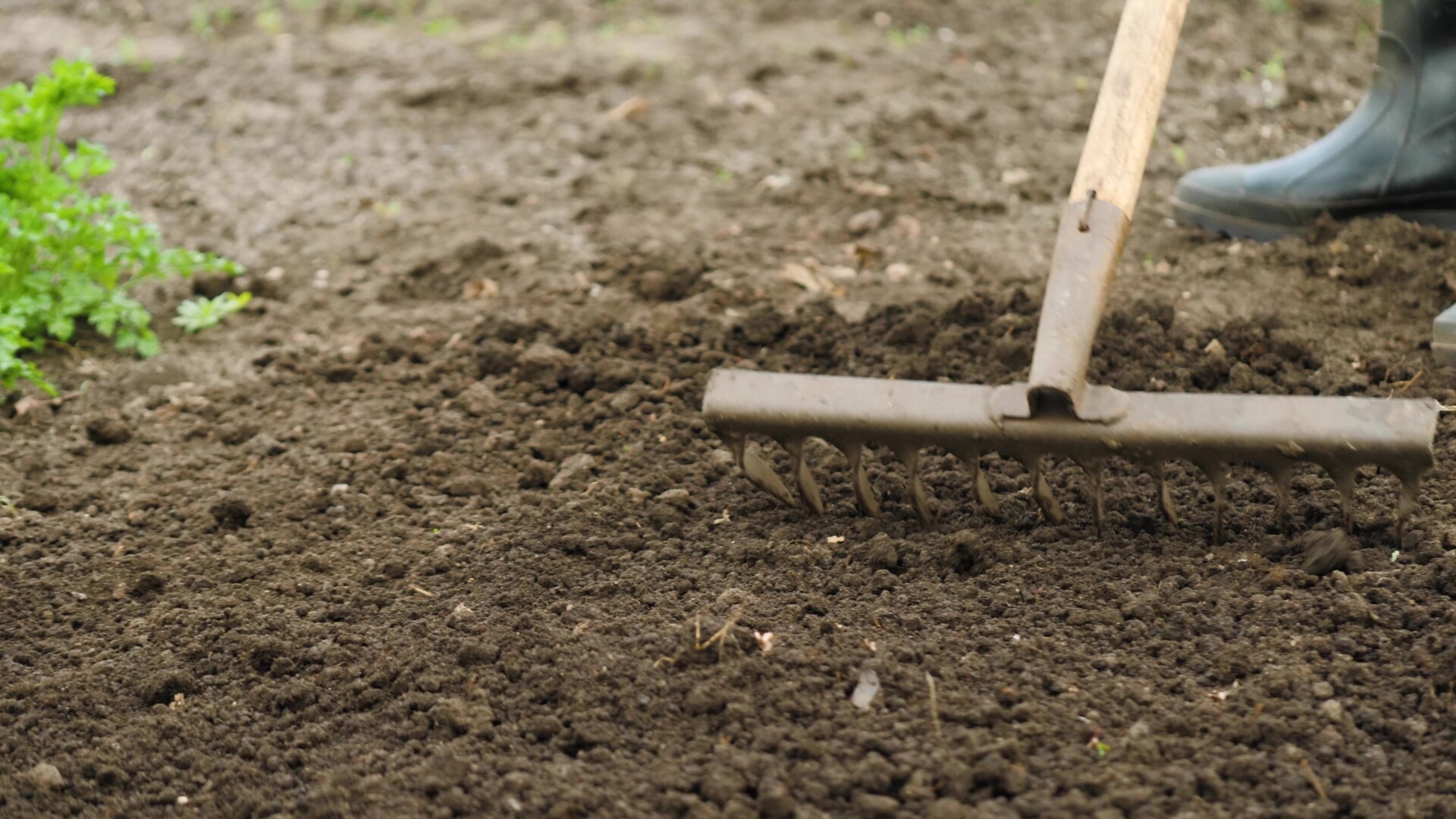
Healthy soil should feel slightly damp but not wet. During early spring planting, soil often holds extra moisture from winter rain or snow. If the ground feels muddy or sticks heavily to tools, it is usually too wet to work.
Planting in overly wet soil can compact the ground and make it harder for roots to grow. Waiting until soil crumbles easily in your hand helps create better conditions for seeds and seedlings.
Prepare the Soil With Compost and Nutrients
Good soil preparation makes a big difference in spring planting. Adding compost improves soil structure and gives plants the nutrients they need to grow strong. Gardeners should mix compost or organic matter into the top few inches of soil before planting.
Testing soil can also help determine if fertilizer or lime is needed. Healthy soil supports stronger roots, better water retention, and higher yields throughout the growing season.
Start Seeds at the Right Time
Some plants grow best when started indoors before spring planting begins outside. Tomatoes, peppers, and many flowers often need several weeks of indoor growth before they are ready for the garden. Starting seeds early gives these plants a head start once outdoor conditions improve.
Other crops, such as carrots, beans, and peas, grow best when planted directly in the ground. Following seed packet instructions helps gardeners know when to plant each crop.
Timing Makes the Difference
Successful spring garden planting depends on watching the weather, checking soil conditions, and preparing the garden carefully. When soil temperature, moisture, and frost risk all line up, seeds have the best chance to grow into healthy plants.
Taking time to prepare before planting can lead to stronger growth, better harvests, and a more enjoyable gardening season.
Related Blogs: Spring Planting Season Begins Across U.S. Farms and Gardens