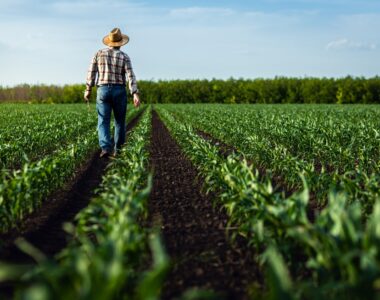
Farm-to-school partnerships are gaining renewed attention as growers and food system advocates gather in Hopland, California, for a Farmers’ Convergence event focused on strengthening local markets. The event brings together producers, educators, and community leaders to explore how farm-to-school partnerships can connect local farms with educational food programs.
Workshops and farm tours at the convergence center on practical strategies for building and expanding relationships between farmers and schools. Organizers are emphasizing how farm-to-school partnerships can create reliable market opportunities for local producers while supporting nutrition education for students. Participants are discussing procurement processes, supply coordination, and distribution logistics needed to serve school districts effectively.
How Farm-to-School Partnerships Support Local Producers
Advocates at the Hopland event highlight that farm-to-school partnerships offer producers an opportunity to diversify revenue streams. Schools represent consistent institutional buyers that can provide predictable demand when relationships are structured effectively. By connecting local farms with educational food programs, growers can reduce dependence on distant wholesale markets and strengthen community-based sales channels.
The event includes sessions focused on identifying crops that align with school meal requirements, understanding food safety standards, and navigating institutional purchasing guidelines. Organizers stress the importance of coordination among farmers, food hubs, and school nutrition directors to ensure supply reliability throughout the academic year.
Building Community-Based Food Systems
Beyond direct sales, farm-to-school partnerships reinforce broader community food systems. Educational programming often accompanies procurement efforts, giving students opportunities to learn about agriculture, food production, and nutrition. Workshops at the convergence highlight how farms can participate in classroom visits, on-site tastings, and school garden collaborations.
Participants also examine how local procurement supports regional economies by keeping food dollars within the community. By strengthening relationships between farms and schools, organizers aim to build resilient, localized food networks that benefit both producers and consumers.
Why This Matters for Agriculture
The attention surrounding farm-to-school partnerships reflects a growing interest in institutional markets as part of long-term farm viability strategies. While the convergence event focuses on California growers, similar models exist nationwide. The discussions in Hopland provide insight into how structured collaboration and education can expand opportunities for small and mid-sized farms.
Farm Trader is committed to bringing you unbiased news based only on the facts. It is our job to keep you informed and only report what is really happening.