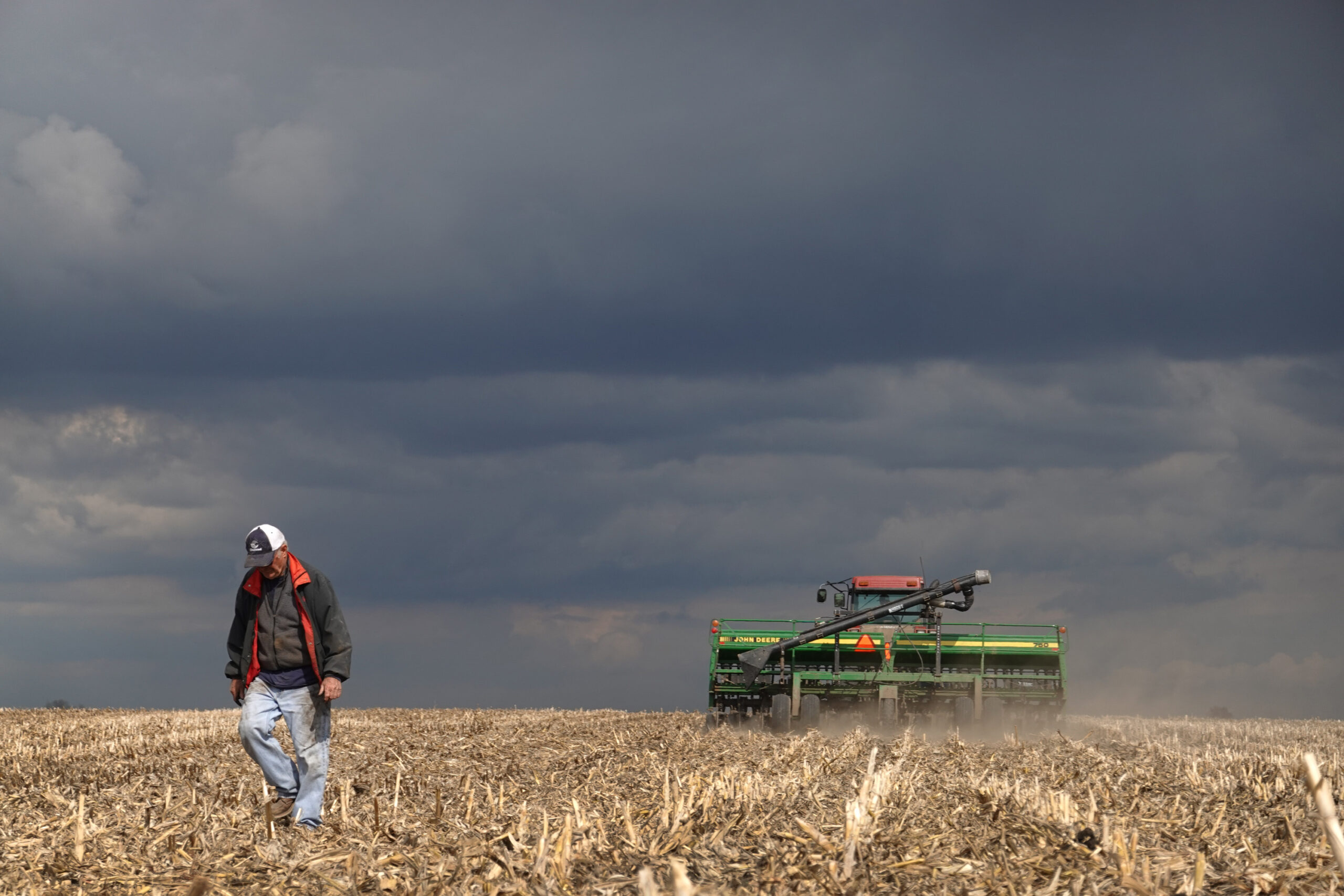
New survey data shows that many U.S. producers describe themselves as “fighting for survival” as the farm economy struggles intensify. The findings come from the first 2026 Farm Journal Ag Economists’ Monthly Monitor, reported by AgWeb, which gathered insights from agricultural economists across the country. The responses point to widespread financial strain and reduced confidence among farmers entering the new year.
Economists participating in the survey report that crop producers in particular face extremely tight margins. High input costs for seed, fertilizer, fuel, land, and labor continue to weigh heavily on operations. At the same time, commodity prices for major crops such as corn and soybeans have weakened compared to recent highs. This imbalance has left many farms operating at or below break-even levels.
What Is Driving Farm Economy Struggles 2026
Several factors are contributing to the current farm economy struggles 2026 environment. Global supply conditions have pressured grain markets, while export demand remains uncertain. Persistent cost inflation in key inputs has prevented producers from recovering profitability even when yields remain stable.
Credit conditions also play a role. Survey participants indicate that farmers are relying more heavily on operating loans to cover expenses. USDA projections show rising farm debt levels in 2026, including both real estate and non-real estate debt. Higher borrowing combined with elevated interest rates increases financial risk for operations already facing tight cash flow.
While livestock sectors such as beef have shown relative strength due to limited herd size and strong demand, overall producer confidence remains cautious. The survey results reflect broader concern that sustained margin pressure could continue throughout the year.
How Farmers Are Responding
Farmers responding to the survey describe a shift in strategy. Instead of focusing on expansion, many prioritize liquidity and cost control. Producers report delaying equipment purchases, reducing capital expenditures, and carefully evaluating every input decision. Protecting working capital and preserving cash flow are central themes in how farmers plan to navigate farm economy struggles 2026.
The dominant sentiment is not growth, but survival. Many producers acknowledge that they must remain flexible and disciplined in spending while waiting for market conditions to improve.
These findings highlight a period of adjustment across U.S. agriculture. The data reflects real financial stress within the sector and underscores why farmers are closely monitoring markets, credit, and policy developments in 2026.
Farm Trader is committed to bringing you unbiased news based only on the facts. It is our job to keep you informed and only report what is really happening.
Source: AgWeb and Successful Farming