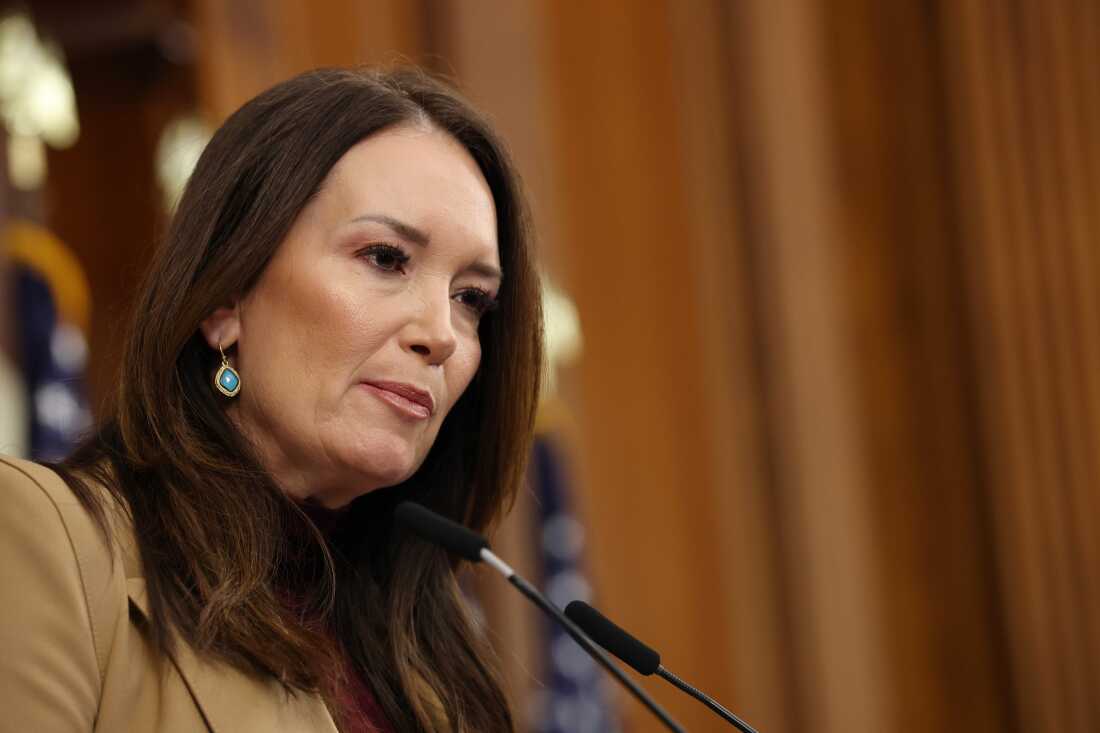
The United States Department of Agriculture confirmed that a new bridge payment for farmers will be announced next week. Brooke Rollins, U.S. Secretary of Agriculture, stated that the administration is preparing this payment to help producers manage the financial strain caused by low commodity prices and unstable trade conditions. Reuters first reported the announcement, emphasizing that the payment aims to stabilize farm income during a period of unusual volatility.
Farm Policy News added that lawmakers view this upcoming support as a necessary response to ongoing economic pressure across agriculture. Commodity markets have weakened throughout the year, and many producers now face tighter margins, especially those who rely on soybeans, corn, wheat, and other major cash crops. The bridge payment for farmers will act as a short-term stopgap until longer term policy solutions or market improvements take hold.
What We Know So Far
Officials have not yet announced the exact amount farmers will receive. The USDA has also not clarified which commodities or farm sizes will qualify. What we do know is that the initiative addresses widespread concern over falling crop prices, reduced export volumes, and lingering uncertainty in global markets.
Soybean producers may benefit significantly from the bridge payment for farmers because the soybean sector has carried much of the burden created by trade slowdowns. Even with recent news that some U.S. soybean shipments to China have resumed, growers still face months of weak cash prices and slower buying activity. The payment is designed to help farmers cover input costs, debt obligations, and operating expenses as they plan for the next season.
What It Means for Farms
If the program rolls out as expected, farms across the United States will receive short-term relief to help keep operations stable. The bridge payment for farmers will not solve long-term structural issues in agriculture, but it will give producers breathing room while markets adjust. This support can help farmers secure seed and fertilizer for spring planting, manage loan payments, and reduce the financial pressure caused by unpredictable exports and depressed prices.
For small and mid-sized farms, this payment could be especially important. Many of these operations do not have enough cash reserves to absorb multiple seasons of price swings. With this support, USDA aims to prevent farm closures, sustain rural economies, and protect domestic food supply stability.
Why It Matters
The bridge payment for farmers signals that federal leaders recognize the strain producers face. Stronger markets may return as trade flows normalize and global demand shifts, but farmers need immediate support to bridge the gap. This payment will help stabilize the sector while policymakers work through longer term solutions.