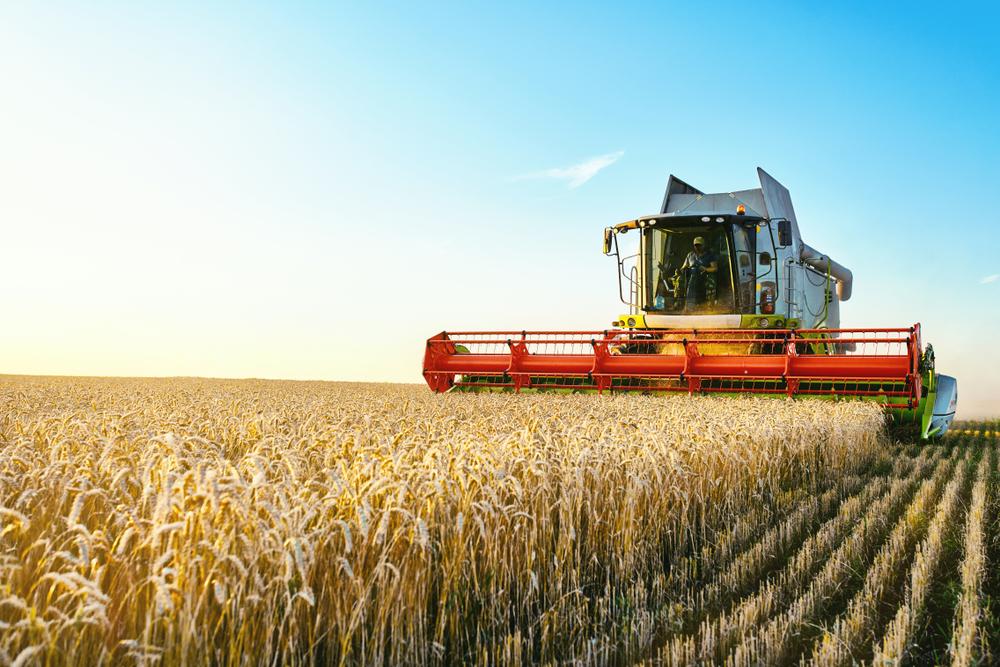
The recent announcement that President Trump plans to loosen ag equipment environmental rules has sparked major discussion across the agriculture sector. The administration argues that reducing these restrictions will lower the cost of tractors, combines, and other essential machinery. Trump states that equipment prices climbed because manufacturers had to meet strict emissions and environmental standards. While this has played a role, several other forces have driven prices upward, and easing regulations will not fully solve the issue.
Factors Driving Equipment Prices Higher
Over the past decade, equipment costs have risen due to several major pressures. Tariffs on steel and aluminum increased the cost of raw materials. Supply chain disruptions during COVID pushed production delays and raised manufacturing expenses. At the same time, companies introduced new onboard technologies that added cost to every machine. Even if the government relaxes ag equipment environmental rules, these broader structural factors will continue to influence prices.
Environmental Impact on Farmland
There is also growing concern about how weaker environmental safeguards may affect farmland. Current standards help limit emissions, fuel burn, and pollutants that could harm soil health and nearby ecosystems. If the government reduces ag equipment environmental rules, farmers may see short-term savings but risk long-term damage to land, air quality, and water resources. Protecting soil and environmental quality remains essential to long-term farm profitability.
Will Looser Rules Solve the Problem?
Lower equipment prices would certainly help producers, especially small and mid-sized farms that struggle with rising input costs. Still, suggesting that environmental standards alone triggered price increases oversimplifies the issue. Long-term affordability will require solutions that address tariffs, supply chain weaknesses, rising technology costs, and broader manufacturing challenges.
Looking Ahead
As this policy develops, farmers should monitor both the potential financial benefits and the environmental risks tied to changes in ag equipment environmental rules. The right balance will determine whether the industry gains relief without sacrificing long-term sustainability.
Related Blogs: Farm Equipment Maintenance