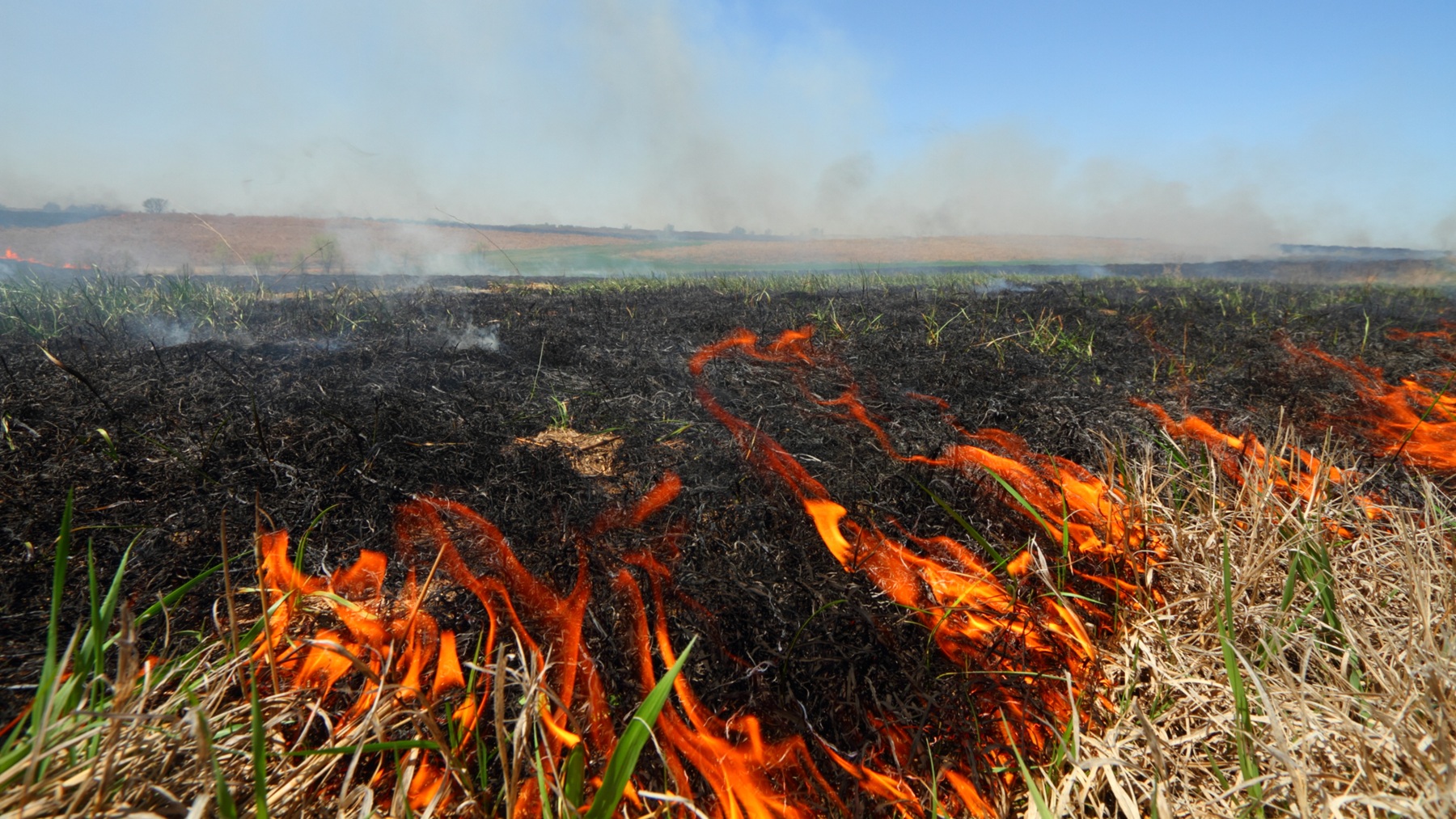
Nebraska wildfires burned large areas of pasture this month, creating new problems for ranchers who were already facing tight cattle supplies and high costs. Reports show that the Nebraska wildfires destroyed hundreds of thousands of acres of grazing land in one of the most important cattle-producing regions in the United States.
State officials said the fires spread quickly due to dry conditions, strong winds, and large areas of dormant grass. Ranchers in several counties lost fencing, grazing ground, and stored feed. The Nebraska wildfires forced some producers to move cattle earlier than planned because pasture was no longer available.
Nebraska plays a major role in U.S. beef production, so damage from the Nebraska wildfires could affect the national cattle herd. The United States herd is already at one of its lowest levels in decades after years of drought and high feed costs. Many ranchers have been working to rebuild herd numbers, but loss of pasture may slow that process.
Loss of Pasture Could Delay Herd Recovery
Grazing land is one of the most important resources for cattle operations. When pasture burns, ranchers often must buy feed or move cattle to other locations. Both options increase costs. The Nebraska wildfires removed large areas of grass that producers depend on during the spring and summer grazing season.
Some ranchers may send cattle to feedlots sooner than planned because they no longer have enough pasture. Others may reduce herd size to match available land. Either decision can affect beef supply later in the year.
Agriculture analysts say the Nebraska wildfires come at a difficult time for the cattle industry. Feed prices remain high, interest rates are elevated, and herd numbers remain low. Loss of grazing land adds another challenge as producers try to recover from several years of drought across the Plains.
Fire Risk Remains High in Dry Conditions
Weather conditions continue to increase wildfire risk across parts of the central United States. Dry grass, low humidity, and strong winds make it easier for fires to spread quickly. Officials say producers should stay alert as spring weather changes and more field activity begins.
The Nebraska wildfires show how quickly weather events can affect agriculture. Loss of pasture, fencing, and feed can change production plans for an entire season.
Farm Trader is committed to bringing you unbiased news based only on the facts. It is our job to keep you informed and only report what is really happening.
Source: Reuters