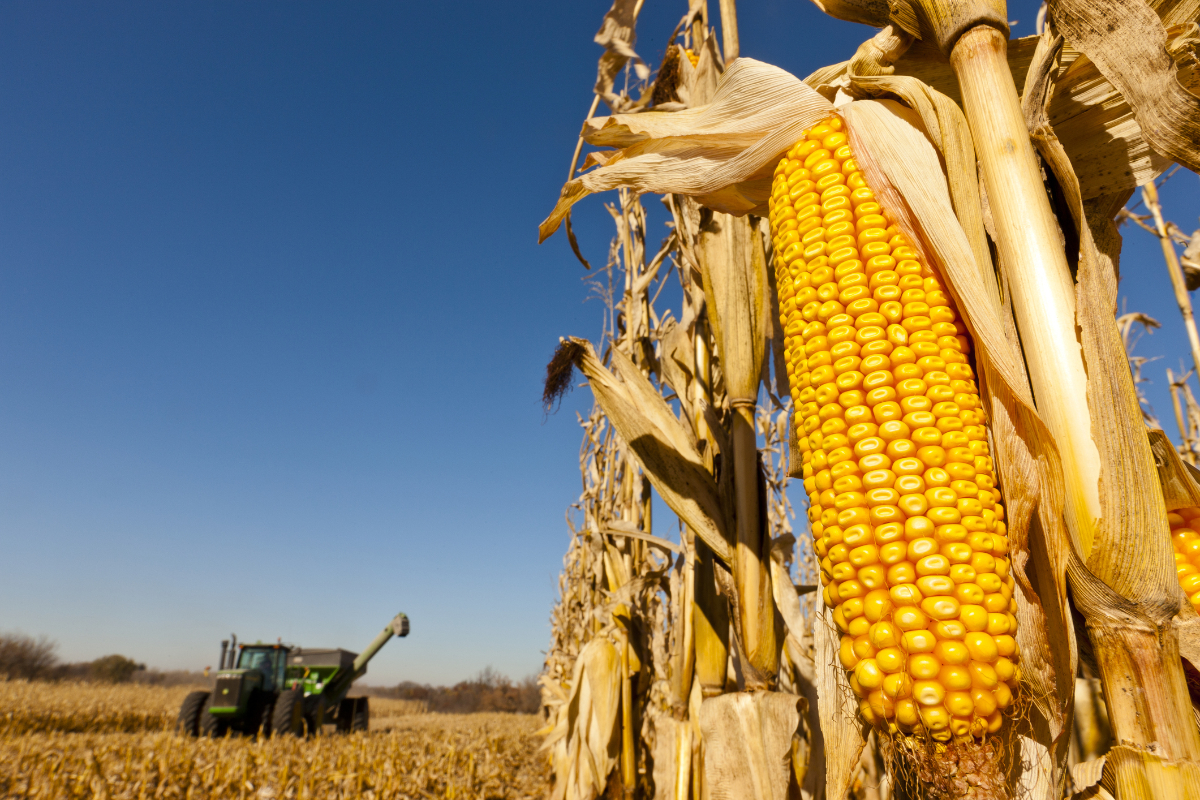
A major USDA corn acreage revision this week triggered sharp reactions across U.S. grain markets and raised concerns among farmers, traders, and analysts who rely on federal data to guide decisions. The unexpected update altered estimates for how many acres of corn U.S. farmers planted and harvested, leading to sudden price movement and renewed scrutiny of agricultural data accuracy.
Accurate acreage data plays a critical role in forecasting supply, pricing crops, managing risk, and securing financing. When that data shifts dramatically, the effects ripple across the entire agricultural system.
What Changed in the USDA Corn Acreage Revision
The USDA released revised figures showing that U.S. farmers planted and harvested significantly more corn acres in the previous growing season than the agency had previously reported. The change increased total corn supply expectations at a time when markets were not anticipating such an adjustment.
Following the release, corn futures fell sharply as traders recalibrated supply assumptions. The market response reflected how sensitive corn prices are to government data, especially when revisions arrive outside the traditional reporting cycle.
The USDA corn acreage revision did not reflect new planting activity. Instead, it revised historical estimates based on updated survey data and administrative records. The magnitude of the change surprised many market participants, who typically expect incremental adjustments rather than large revisions.
Why the Data Revision Matters to Farmers
For American farmers, the USDA corn acreage revision has immediate and practical implications. Many producers had already made marketing decisions based on earlier supply estimates. A sudden increase in reported acreage changes price expectations and can affect cash sales, hedging strategies, and storage plans.
Lenders and insurers also rely heavily on USDA data. Revisions of this size can complicate loan assessments, revenue projections, and crop insurance calculations, particularly when they occur after marketing decisions are already in motion.
The revision also raised questions about the reliability of agricultural data collection at a time when USDA staffing levels and survey capacity face pressure. Market participants depend on consistent and transparent data to operate efficiently, and confidence in those numbers is essential.
Broader Market Implications
The USDA corn acreage revision highlights the influence of federal reporting on commodity markets. Corn serves as a foundational crop for feed, fuel, and food production, meaning supply shifts affect livestock producers, ethanol markets, and downstream agribusinesses.
While the revision does not change physical inventories overnight, it reshapes expectations about supply and demand balance. That shift alone can move markets, even without changes in actual production.
A Moment of Heightened Attention on Agricultural Data
This week’s development places renewed focus on how agricultural data is collected, revised, and communicated. Farmers, traders, and policymakers will likely watch upcoming USDA reports closely for further clarification or adjustments.
Farm Trader is committed to bringing you unbiased news based only on the facts. It is our job to keep you informed and only report what is really happening.
Source: Reuters