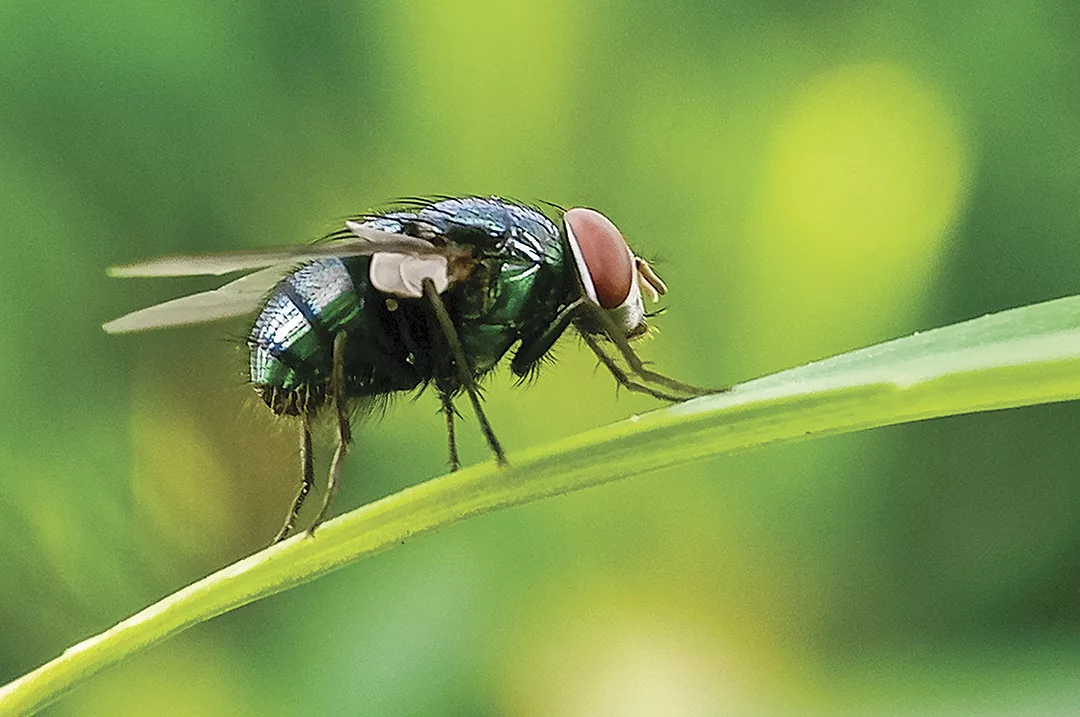
The U.S. Department of Agriculture has launched a new phase of its USDA screwworm response to prevent the return of a dangerous livestock pest. Officials confirmed plans to release sterile flies near the U.S.-Mexico border as a preventative measure against the New World screwworm. The action follows confirmed outbreaks of the pest in southern Mexico.
What the Screwworm Threat Is
The New World screwworm is a parasitic fly that poses a serious risk to livestock. Female flies lay eggs in open wounds on animals. When the eggs hatch, the larvae feed on living tissue. Untreated infestations can cause severe injury or death in cattle, wildlife, and other warm-blooded animals.
The United States successfully eradicated screwworms decades ago using sterile insect techniques. However, recent detections in Mexico raised concern among animal health officials. The USDA is acting early to prevent the pest from moving north.
How the Sterile Fly Program Works
The USDA screwworm response relies on the Sterile Insect Technique, a proven biological control method. The USDA releases millions of sterilized male flies into affected areas. These males mate with wild females, but the pairings produce no offspring. Over time, the wild screwworm population declines.
USDA officials will release sterile flies produced at government facilities in Panama and Mexico. The agency plans to expand dispersal closer to the southern Texas border. This expanded zone will create a buffer designed to stop the pest before it reaches U.S. livestock operations.
The flies include a harmless dye that allows scientists to track sterile populations during monitoring efforts.
Why the USDA Is Expanding the Program
The USDA currently produces roughly 100 million sterile flies each week. Officials say they will need higher production levels to maintain effective control. The agency is exploring additional production capacity, including facilities in the United States, to support long-term prevention.
The USDA screwworm response focuses on prevention rather than reaction. Officials emphasize that no screwworm cases have been confirmed in the United States. Early intervention reduces risk and limits potential economic damage to livestock industries.
What Livestock Producers Should Know
USDA and state animal health officials urge producers to remain alert. Farmers should monitor livestock for unusual wounds or signs of infestation. Prompt reporting helps officials respond quickly if risks increase.
This effort reflects a coordinated strategy involving federal agencies, international partners, and state authorities. The goal remains clear: protect animal health and prevent the reestablishment of a pest that once caused widespread losses.
Related Blog
Why This Matters
The USDA screwworm response demonstrates how proactive pest management protects livestock and food systems. By acting early, the USDA aims to avoid costly outbreaks and safeguard animal welfare across the country.
Sources: Texas Screwworm Facility
Successful Farming
USDA to Release Flies Near U.S.-Mexico Border to Fight Screwworm Pest — Agriculture.com (Reuters report)
USDA Shifts Sterile Fly Dispersal Efforts to Defend U.S. Border — APHIS USDA news
Sterile Fly Production and Dispersal Facilities — APHIS USDA
USDA releasing sterile flies along U.S.-Mexico border — Texas Farm Bureau