Winter weather places added stress on livestock and farm operations, especially during prolonged cold snaps. Strong winter livestock care practices help protect animal health, maintain productivity, and prevent costly emergencies. As temperatures drop, farmers should focus on water access, nutrition, shelter, and power planning to keep animals safe.
Water Access and Frozen Systems
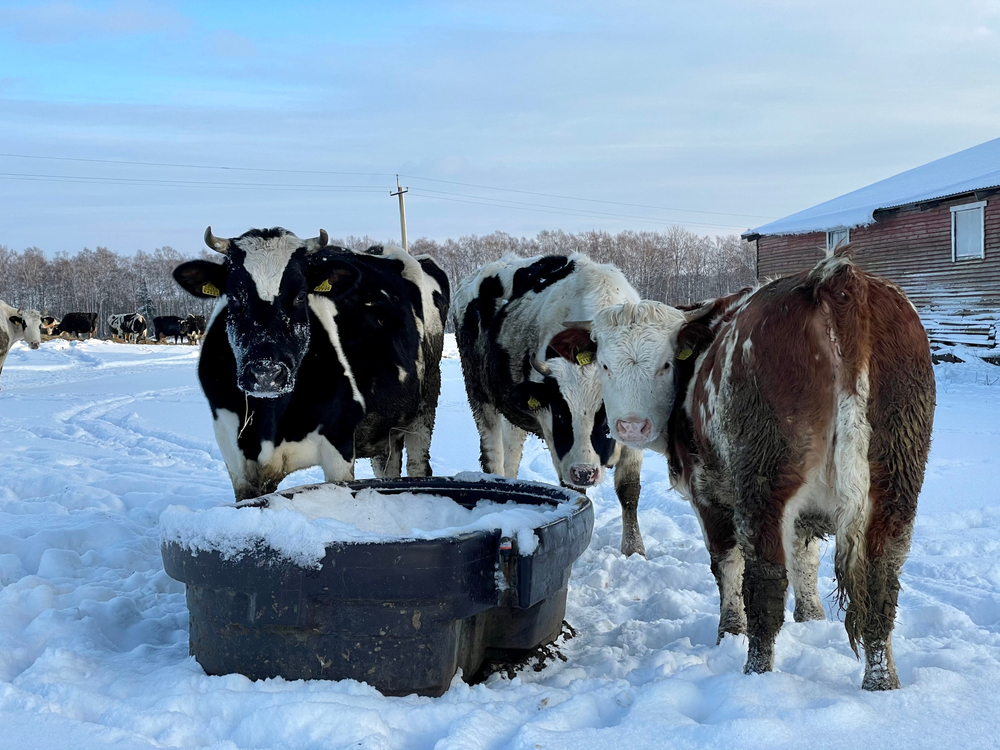
Reliable water access is one of the most critical parts of winter livestock care. Animals need consistent hydration to maintain body temperature and digestion, yet freezing temperatures often cause pipes, tanks, and waterers to ice over.
Farmers should check water sources multiple times per day during extreme cold. Heated waterers, tank deicers, or insulated systems can prevent freezing. For gravity-fed or manual systems, breaking ice regularly is essential. If electricity fails, having backup options such as insulated tanks or portable water supplies can prevent dehydration and stress.
Feed Intake Changes
Cold weather increases animals’ energy needs. Livestock burn more calories to stay warm, which means feed intake often rises during freezing conditions. Effective winter livestock care includes adjusting rations to meet these higher demands.
Producers should ensure animals have access to high-quality forage and sufficient energy sources. Increasing hay quality or supplementing with additional feed may be necessary during extended cold periods. Monitoring body condition helps identify animals that may need extra attention, especially young, old, or thin livestock.
Shelter and Bedding
Wind and moisture pose greater risks than cold temperatures alone. Providing windbreaks, barns, or natural shelter helps livestock conserve energy. Dry bedding plays a major role in winter livestock care by insulating animals from frozen ground and reducing the risk of frostbite.
Farmers should add bedding frequently to keep areas dry. Straw, corn stalks, or other absorbent materials work well. Well-drained shelter areas reduce mud, ice buildup, and hoof problems.
Emergency Power Planning
Cold snaps often coincide with power outages. Emergency preparedness is a key part of winter livestock care. Farms should test generators before winter weather hits and keep fuel supplies stocked.
Critical systems such as water heaters, ventilation, and lighting should connect to backup power when possible. Having a plan for extended outages ensures animals continue to receive care even in severe conditions.
Why Winter Preparation Matters
Strong winter livestock care protects animal welfare and supports farm stability. Cold stress can reduce weight gain, milk production, and reproductive performance. Preparation reduces risk, labor strain, and financial loss.
By focusing on water access, nutrition, shelter, and emergency planning, farmers can help livestock stay healthy through even the harshest winter conditions.
Related Blog: Severe Winter Weather Hits the Eastern States: What to Know and How to Prepare