A wave of severe winter weather is moving across much of the eastern United States, bringing dangerously cold temperatures, snow, and life-threatening wind chills. Meteorologists report that an Arctic air mass tied to a disrupted polar vortex is pushing south and east, impacting millions of people and agricultural operations.
What We Know About the Severe Winter Weather
Forecasts show temperatures dropping well below normal across the Midwest, Northeast, and parts of the Southeast. Some areas are expected to see sub-zero temperatures, with wind chills that feel far colder.
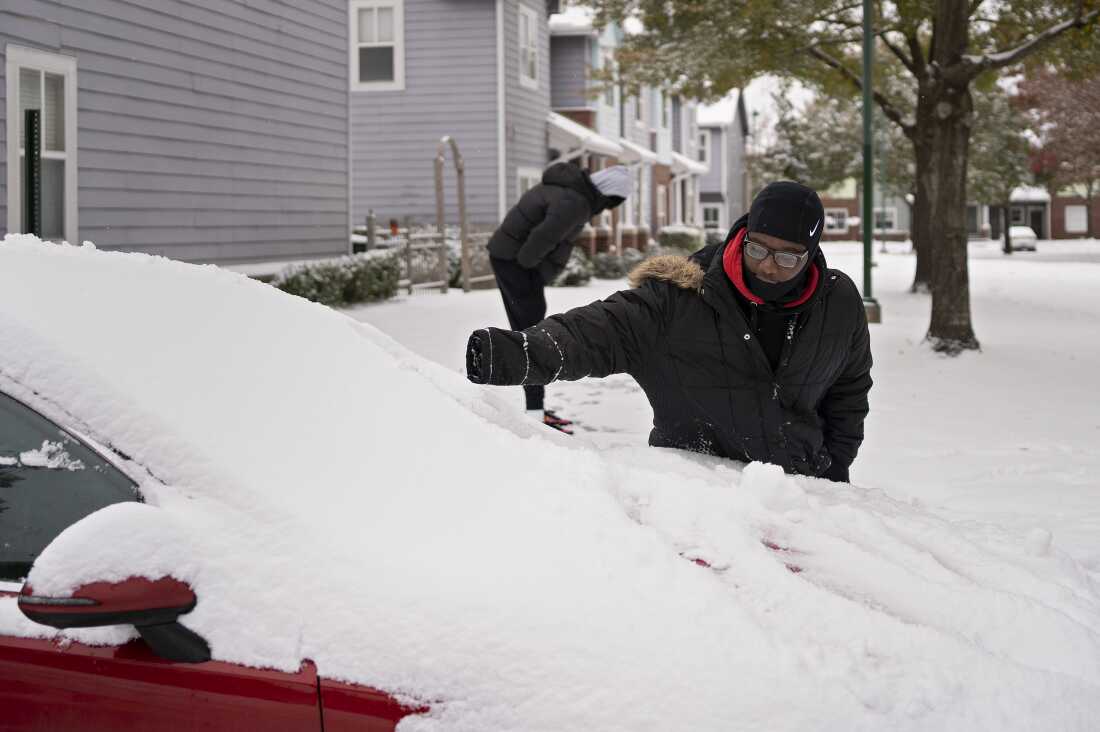
Snow, ice, and strong winds will accompany the cold. These conditions create hazardous travel, power outage risks, and operational challenges for farms. According to NBC News, this cold snap ranks among the most intense weather events of the season and may persist for several days.
Why Severe Winter Weather Is a Concern for Farms
Severe winter weather places unique pressure on agricultural operations. Livestock face higher stress levels during extreme cold. Animals burn more energy to stay warm, which increases feed demand. Without proper shelter, frostbite and hypothermia become serious risks.
Water systems also face challenges. Frozen pipes and waterers can leave livestock without access to drinking water. Equipment failures become more likely when temperatures drop rapidly. Fuel gels, batteries fail, and hydraulic systems slow down.
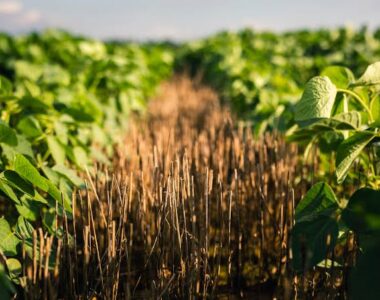
Crops may also face risks. While many fields are dormant, freeze-thaw cycles can damage soil structure. Unprotected cover crops and young perennials may suffer cold injury, especially in areas without snow insulation.
How Farmers Can Prepare
Preparation reduces the impact of severe winter weather. Farmers should move livestock into wind-protected shelters when possible. Adding extra bedding helps animals conserve heat. Ensuring consistent access to unfrozen water remains critical.
Equipment should be checked before temperatures fall further. Test generators, heaters, and backup power systems. Keep fuel tanks full and store emergency supplies within reach. Extra feed and hay should be on hand in case deliveries are delayed.
Farmers should also monitor weather alerts closely. Staying informed allows operations to respond quickly if conditions worsen or power outages occur.
What Everyone Should Watch For
Beyond farms, severe winter weather threatens rural infrastructure. Ice and snow can block roads. Power outages may last longer in remote areas. Cold exposure risks increase for anyone working outdoors.
Why This Matters
This event serves as a reminder that winter preparedness matters. Severe winter weather tests farms, infrastructure, and communities. Planning ahead protects animals, equipment, and livelihoods during extreme conditions.