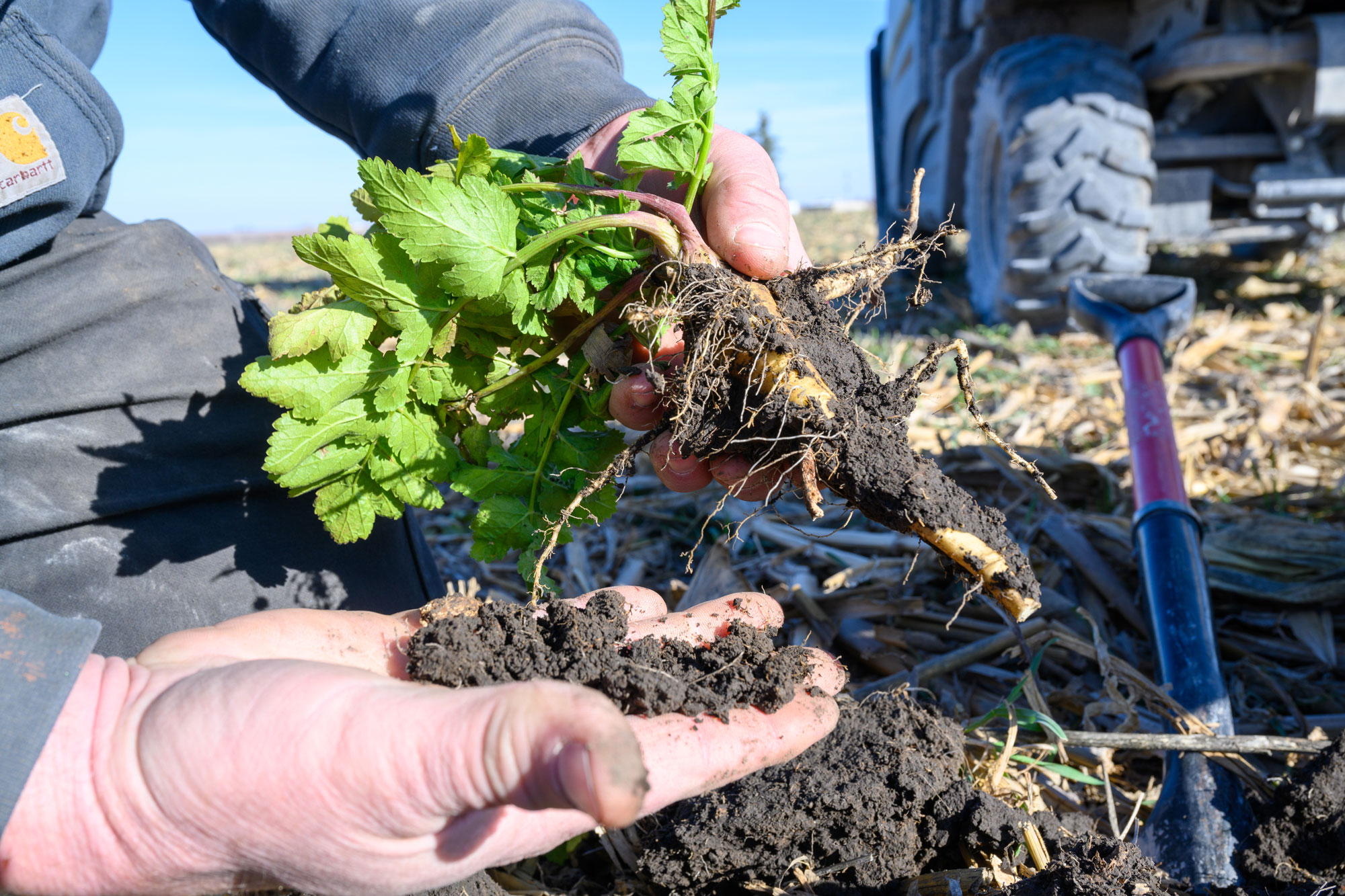
The Trump administration has tagged $700 million in regenerative farming funding to encourage farmers to adopt soil-health practices and conservation strategies. The U.S. Department of Agriculture unveiled the pilot initiative on Wednesday as part of the “Make America Healthy Again” agenda. Led by Agriculture Secretary Brooke Rollins and Health and Human Services Secretary Robert F. Kennedy Jr., this new funding aims to reduce production costs, improve land quality, and help farmers transition to regenerative practices.
How the Funding Will Work
The USDA will allocate $700 million in regenerative farming funding by repurposing money from existing conservation programs. Specifically, $400 million will come through the Environmental Quality Incentives Program and $300 million from the Conservation Stewardship Program. Farmers can now bundle multiple regenerative practices into a single application, which streamlines access and lowers red tape barriers. The initiative also seeks corporate partnerships to stretch dollars further and link producers directly with supply chains.
What It Means for Farmers
This new regenerative farming funding offers financial support to farmers willing to adopt practices like cover cropping, reduced tillage, and enhanced soil biodiversity. By focusing on soil health and long-term land stewardship, producers can benefit from both environmental gains and potential cost savings over time. USDA officials highlight that improving soil resilience can boost productivity, protect farmland from erosion, and strengthen America’s food supply. USDA
SNAP Waivers and Broader Policy Context
Alongside the funding announcement, the USDA approved waivers for six additional states to restrict certain non-nutritious food purchases with SNAP benefits. These waivers, part of the broader MAHA initiative, aim to promote healthier consumption patterns and may influence how rural health funds are allocated. Reuters
Why It Matters
The regenerative farming funding signals a stronger federal push toward sustainable agricultural practices that benefit both producers and the environment. As farmers evaluate their cropping plans and input costs for 2026, this funding could provide a meaningful incentive to adopt regenerative methods that bolster soil health and long-term farm viability.
Realted Blogs: Farm Policy on Pause: What the Latest Farm Bill Extension Means for U.S. Ag